 Still
Still Bitters Explained: The Spice Rack Of The Bar
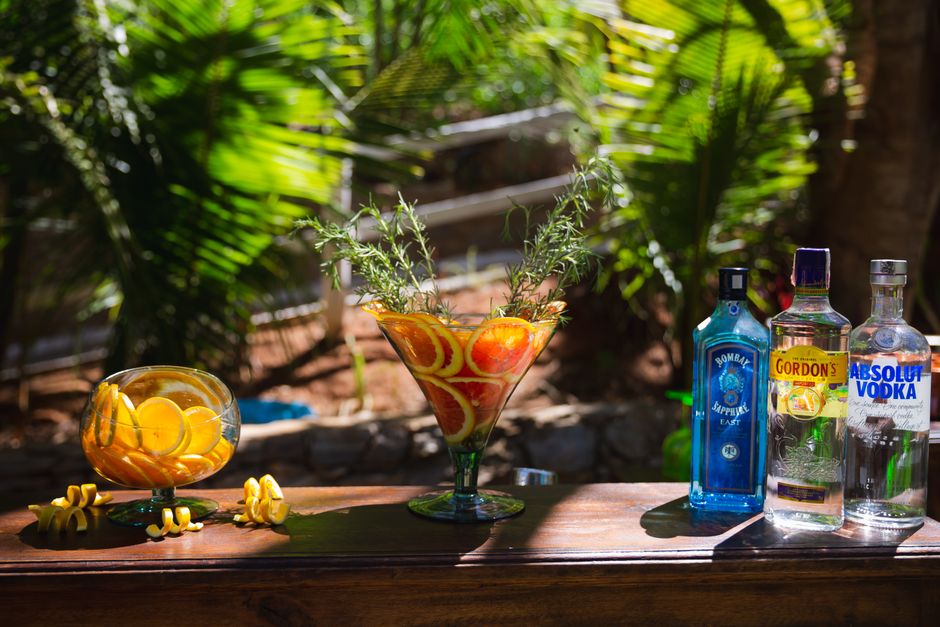
Bitters is more fun to share, and a little planning makes hosting easy. Most of the work is measuring carefully. Below, we walk through bitters step by step.
Planning ahead
It helps to remember that for a home bar, start with two bottles: an aromatic style and an orange style. They cover most classic recipes. Once you are comfortable, add one or two unusual flavors and test them in familiar drinks, changing only one thing at a time. Smaller bottles are a good way to explore without spending much or wasting anything.
What to prep
More often than not, bitters are concentrated flavoring extracts made by steeping bitter and aromatic ingredients, such as roots, barks, peels, herbs and spices, in a high-proof alcohol base. They are used in tiny amounts, a dash or two at a time, much like salt and pepper in a kitchen. A few drops can bring structure, depth and aroma to a drink that otherwise tastes flat or too sweet.
Setting up
The key point is that aromatic bitters are the style most people know. They lean on warm spices, gentle bitterness and a hint of baking spice, and they appear in the old fashioned and the Manhattan. Orange bitters add a bright citrus lift to martinis and gin drinks. Other styles bring flavors like chocolate, cherry, celery, cardamom, lavender or smoke.
Serving
The key point is that using them is easy. Add one to three dashes to a stirred drink, taste, and add another only if needed. Remember that bitters are strong, so more is not better. You can also add a dash to sparkling water with a slice of citrus for a straightforward, grown-up soft drink, although many bitters still contain alcohol, so label it clearly for guests.
It helps to make one drink first before scaling a recipe up for a group.
Options for everyone
Do not confuse cocktail bitters with bitter liqueurs and amari, which are sweeter, are bottled at a lower strength and are sipped or mixed in larger measures. Bitters themselves are not a beverage. They last a long time on a shelf, but keep the bottle tightly capped, away from heat and sunlight, to protect the aroma.
Fresh citrus does more for a cocktail than an expensive bottle.
Practical tips
Some practical points to keep in mind:
- Measure with a jigger rather than free-pouring.
- Use plenty of fresh, hard ice.
- Taste before you serve and adjust the balance.
- Chill your glasses before serving.
The bottom line
Take it one drink at a time. The best drink is the one you will make again. Start with the classics and build from there.
Frequently asked questions
Can I make it ahead for guests?
Many stirred drinks can be batched and chilled in advance; add citrus drinks closer to serving.
How should I store open bottles?
Keep spirits upright, sealed and out of sunlight. Vermouth and other wine-based bottles belong in the fridge.
What tools do I really need?
A jigger, a shaker or mixing glass, a strainer and a bar spoon cover almost every recipe.
Is there a non-alcoholic version?
Often yes. Keep the same balance of sweet, sour and bitter, and use tea, juice or soda as the base.