 Still
Citrus And Garnishes: The Finishing Touch (Part 3)
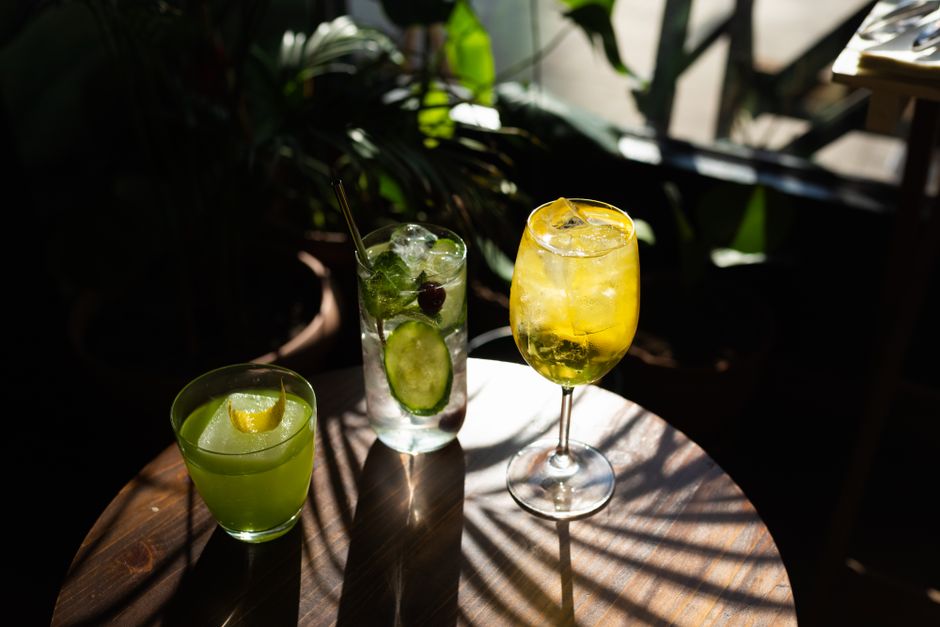
Citrus and garnishes is a template: swap the spirit, the sweetener or the citrus and it still works. None of it needs expensive bottles. Let's look at what makes citrus and garnishes work, and what you can skip.
The base recipe
Taste your drink before you add the garnish, and adjust if it needs more sweetness or acid. Little shifts make big differences. Serve with a glass of water on the side, offer non-alcoholic options and remember that the legal drinking age is 21. Make sure everyone has a safe ride home. Quality ingredients and careful technique will do most of the work for you.
Small details like chilling the glass make a visible difference.
Swapping the spirit
Fresh citrus is the backbone of many cocktails. Lemon and lime juice provide the acid that balances sugar and spirit. Squeeze juice shortly before using it, because it loses its brightness within a few hours. Roll the fruit on the counter first to support release the juice, and strain out seeds. Bottled juice rarely tastes the same. Compare impressions with a friend, since everyone notices something a little different.
Always keep a good non-alcoholic option ready for guests.
Changing the sweetener
A citrus peel adds aroma through its oils. Use a sharp peeler to cut a strip with little of the white pith, which is bitter. Hold it over the drink, skin side down, and squeeze it firmly so a fine spray of oil lands on the surface. Rub the peel around the rim, then drop it in or discard it.
Always keep a good non-alcoholic option ready for guests.
Seasonal ideas
Worth keeping in mind: garnishes should add to the drink, not just decorate it. A cherry in a Manhattan brings a hint of sweetness. An olive in a martini adds a savory note. A mint sprig sits near your nose as you sip, adding aroma. Choose garnishes that match the flavors, and skip anything that does not belong. Clean glasses, fresh ingredients and a calm pace matter more than expensive gear.
The practical takeaway is to measure every pour, since small changes shift the balance.
Garnishes and finishes
More often than not, prepare garnishes before guests arrive. Cut citrus wheels, peel strips and wedges, and keep them in a covered container in the refrigerator. Wash herbs and pat them dry. Having everything ready makes service smooth, so you are not hunting for a knife in the middle of a conversation. Over time you will build a sense of what you enjoy and why.
Practical tips
In everyday terms, this can look like:
- Measure with a jigger rather than free-pouring.
- Never drink and drive; plan a ride home.
- Use fresh citrus, squeezed the same day.
- Keep a non-alcoholic option ready for guests.
The bottom line
Keep it simple, taste as you go, and enjoy the process. None of this needs to be perfect. Good ice, fresh citrus and a careful measure go a long way.
Frequently asked questions
Do I need expensive bottles?
No. For citrus and garnishes, a solid mid-range bottle and good technique beat a pricey bottle used carelessly.
How should I store open bottles?
Keep spirits upright, sealed and out of sunlight. Vermouth and other wine-based bottles belong in the fridge.
Is there a non-alcoholic version?
Often yes. Keep the same balance of sweet, sour and bitter, and use tea, juice or soda as the base.
Can I make it ahead for guests?
Many stirred drinks can be batched and chilled in advance; add citrus drinks closer to serving.