 Still
Still Grain To Glass: How Whiskey Gets From Field To Bottle (Part 3)
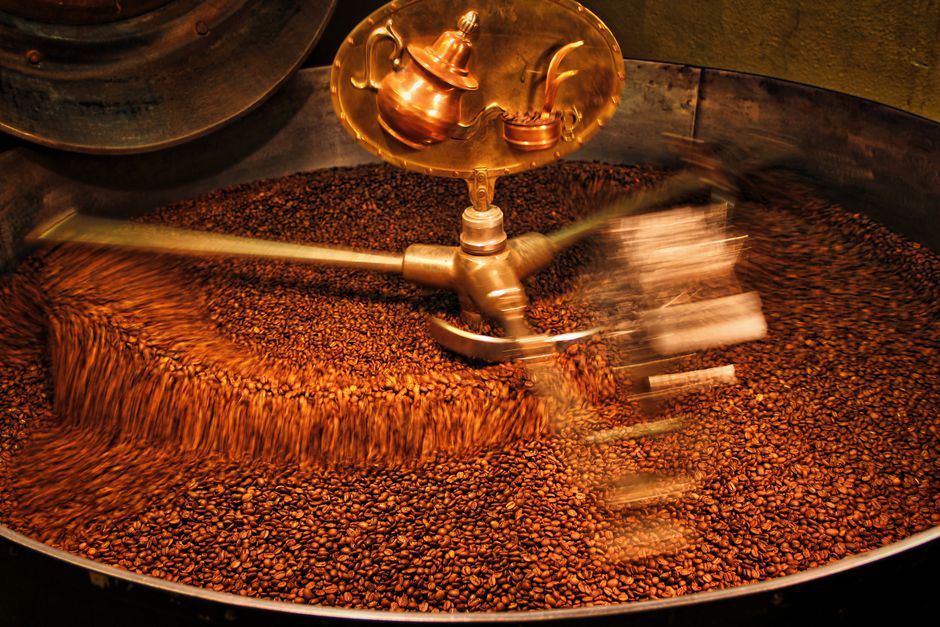
A few early choices keep the cost of whiskey production under control. A little practice goes a long way. Here is a practical look at whiskey production for home bartenders.
Where the money goes
Distillation separates the alcohol from that fermented liquid. The liquid is heated in a still, the alcohol turns to vapor at a lower temperature than water, and the vapor is cooled back into liquid. Pot stills tend to make fuller, heavier spirit. Column stills make a lighter, cleaner one. Distillers also split the run into heads, hearts and tails, keeping only the hearts for the final spirit.
Bottles worth buying
The clear spirit then goes into oak barrels to age, where it picks up color, flavor and softness. Time, climate and barrel type all matter. Afterward the whiskey may be blended, diluted with water to bottling strength and filtered. This is a legal, licensed business. Distilling at home without federal permits is illegal in the United States, so this guide is meant to explain the craft, not to teach it.
Tools you can skip
Worth keeping in mind: knowing these steps makes a bottle easier to read and a tasting more interesting. When you sip a whiskey and notice caramel, baking spice or toasted grain, you are tasting choices made at every stage, from the farm field to the barrel house. Enjoy it slowly, and only if you are of legal drinking age, which is 21 in the United States.
It helps to make one drink first before scaling a recipe up for a group.
Making your own
It helps to remember that every whiskey begins as grain: corn, rye, wheat or malted barley. The distillery grinds the grain into a coarse meal, then cooks it in hot water to open up the starch. Cooking turns the meal into a thick porridge called mash. The recipe of grains, known as the mash bill, sets the base character of the whiskey long before anything is distilled or aged.
Fresh citrus does more for a cocktail than an expensive bottle.
Small costs that add up
On a day-to-day level, next comes conversion and fermentation. Enzymes, usually from malted barley, break the starch into sugars. The mash cools and yeast is added. Over a few days the yeast eats the sugar and makes alcohol and carbon dioxide. The result is a bubbly, beer-like liquid, often called distiller's beer, at roughly eight to ten percent alcohol. Different yeast strains add different fruit and spice notes, which is why distilleries guard their strains closely.
Always keep a good non-alcoholic option ready for guests.
Practical tips
In everyday terms, this can look like:
- Taste before you serve and adjust the balance.
- Measure with a jigger rather than free-pouring.
- Use plenty of fresh, hard ice.
- Chill your glasses before serving.
The bottom line
The best drink is the one you will make again. Take it one drink at a time. Each one teaches you a little more about balance.
Frequently asked questions
How should I store open bottles?
Keep spirits upright, sealed and out of sunlight. Vermouth and other wine-based bottles belong in the fridge.
What tools do I really need?
A jigger, a shaker or mixing glass, a strainer and a bar spoon cover almost every recipe.
Is there a non-alcoholic version?
Often yes. Keep the same balance of sweet, sour and bitter, and use tea, juice or soda as the base.
Do I need expensive bottles?
No. For whiskey production, a solid mid-range bottle and good technique beat a pricey bottle used carelessly.