 Still
Still Highballs: The Art Of The Tall, Simple Drink
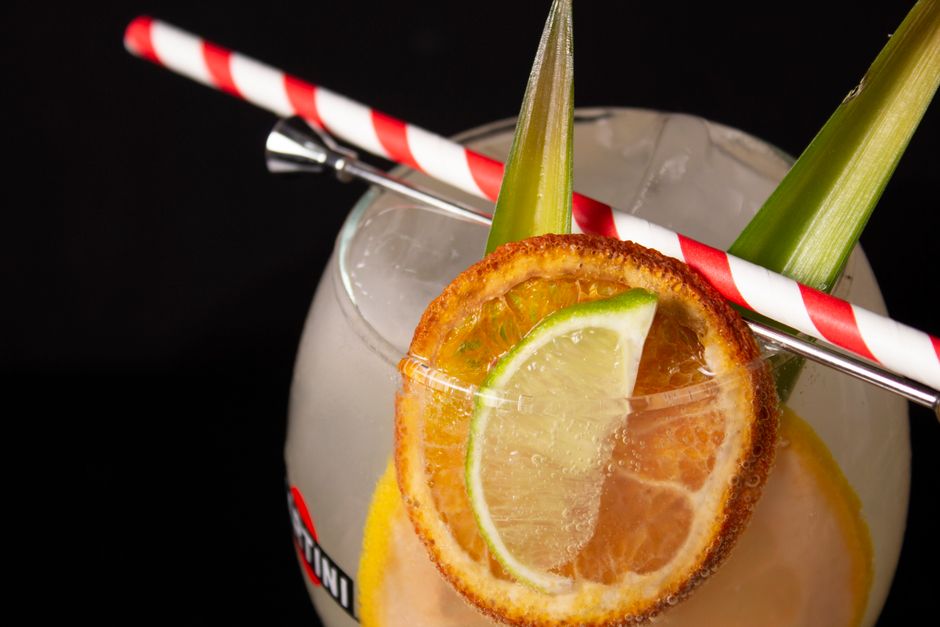
Once you know the basic method, highballs is easy to change up. The aim is to keep things simple and reliable. Here is a practical look at highballs for home bartenders.
The base recipe
Worth keeping in mind: ratio is everything. A good starting point is one part spirit to three parts mixer, which keeps the spirit present without overpowering the glass. Taste, then adjust. A lighter drink suits a long afternoon, while a stronger pour suits a smaller glass. Measuring with a jigger keeps results consistent, especially when you are making several for friends.
Swapping the spirit
Put simply, details separate a decent highball from a great one. Chill the glass, fill it with large, cold ice and pour the spirit first. Add the mixer slowly and tilt the glass so the bubbles stay lively, then give a single, gentle stir. Use a fresh, cold bottle of soda, since flat or warm mixer makes the drink dull no matter how good the spirit is.
Changing the sweetener
Pairing matters too. Bold, spicy ginger ale or ginger beer suits aged spirits like bourbon and dark rum. Crisp soda water lets the character of a good whiskey or gin come through. Tonic and bitter lemon work with gin and some vodkas. A citrus twist or lime wedge adds a bright lift at the end.
If you remember one thing, let it be that good ice matters as much as the spirit.
Seasonal ideas
Worth keeping in mind: highballs are practical for hosting because they are fast, balanced and easy to scale. Set out a few spirits, several mixers, ice and garnishes, and let most of us build their own. Keep soda water, sparkling juice and plain ginger ale in the same lineup so non-drinkers feel included, and remind guests to pace themselves and plan a ride home.
Garnishes and finishes
In practice, a highball is a spirit lengthened with a carbonated or non-carbonated mixer in a tall glass over ice. Think whiskey and soda, rum and cola, gin and ginger beer, or vodka and soda with lime. The format is old, easy and forgiving, which makes it the best entry point for anyone learning to mix drinks at home.
Fresh citrus does more for a cocktail than an expensive bottle.
Practical tips
In everyday terms, this can look like:
- Use plenty of fresh, hard ice.
- Use fresh citrus, squeezed the same day.
- Chill your glasses before serving.
- Keep a non-alcoholic option ready for guests.
The bottom line
None of this needs to be perfect. Keep it simple, taste as you go, and enjoy the process. That is really all it takes.
Frequently asked questions
Can I make it ahead for guests?
Many stirred drinks can be batched and chilled in advance; add citrus drinks closer to serving.
Do I need expensive bottles?
No. For highballs, a solid mid-range bottle and good technique beat a pricey bottle used carelessly.
How should I store open bottles?
Keep spirits upright, sealed and out of sunlight. Vermouth and other wine-based bottles belong in the fridge.
Is there a non-alcoholic version?
Often yes. Keep the same balance of sweet, sour and bitter, and use tea, juice or soda as the base.