 Still
Still Hosting A Tasting Night With Friends
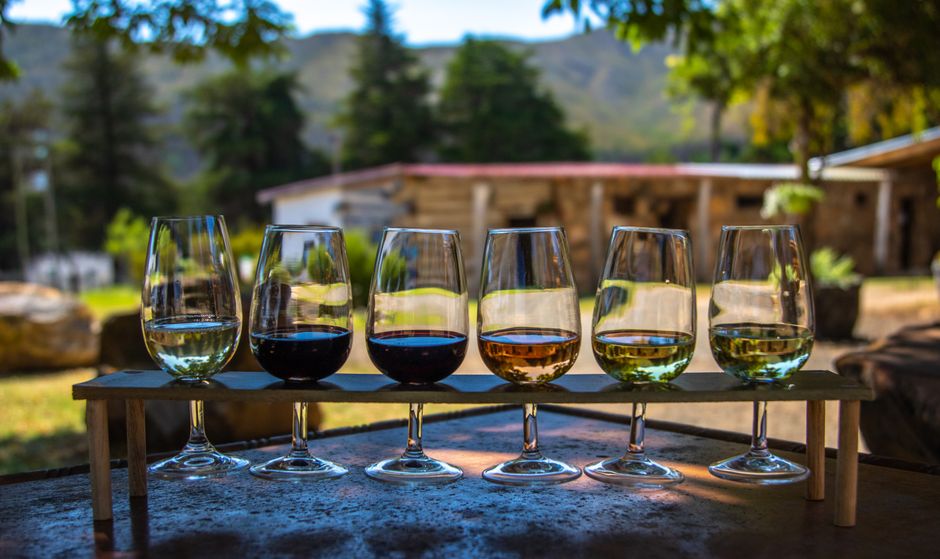
A tasting night is more fun to share, and a little planning makes hosting easy. Most of the work is measuring carefully. Below, we walk through a tasting night step by step.
Planning ahead
A tasting night is a relaxed way to learn what you like and share a good evening. Pick a theme that gives the night focus, such as three bourbons from different regions, gins with different botanicals, rums of different ages or tequilas from different styles. Four to six samples are enough, since palates tire quickly.
None of this needs to be exact to the drop; taste and adjust to your liking.
What to prep
Prepare the setup in advance. Give each guest a clean glass, a glass of water, a small pitcher for sharing, a paper napkin and a pen with a simple tasting sheet. Pour about half an ounce of each spirit, which is enough to taste without overdoing it. Number the glasses and place them on a tray or a paper circle.
It helps to make one drink first before scaling a recipe up for a group.
Setting up
In practice, consider a blind tasting. Cover the bottles with paper bags and label them by letter, so guests judge on aroma and flavor instead of price or reputation. Ask them to note color, smell, first taste and finish, using plain words such as vanilla, citrus, pepper or smoke. Reveal the bottles at the end and compare notes. There are no wrong answers.
Serving
Serve food that supports the tasting, not food that overwhelms it. Plain crackers, bread, mild cheese, apple slices and unsalted nuts reset the palate between pours. Offer a full meal or substantial snacks so no one drinks on an empty stomach. Tap water, sparkling water and a non-alcoholic option should be easy to reach for everyone.
If you remember one thing, let it be that good ice matters as much as the spirit.
Options for everyone
The key point is that keep the night safe and friendly. Everyone must be of legal drinking age, and sipping slowly is part of the point. Set out a plan for rides, offer your couch or a ride-share to anyone who needs it, and never let anyone drive after drinking. Finish with a favorite and a short discussion, then save the notes for the next gathering.
The practical takeaway is to measure every pour, since small changes shift the balance.
Practical tips
Here are a few easy places to start:
- Chill your glasses before serving.
- Measure with a jigger rather than free-pouring.
- Never drink and drive; plan a ride home.
- Store vermouth in the fridge once opened.
The bottom line
Keep it simple, taste as you go, and enjoy the process. Take it one drink at a time. Each one teaches you a little more about balance.
Frequently asked questions
Is there a non-alcoholic version?
Often yes. Keep the same balance of sweet, sour and bitter, and use tea, juice or soda as the base.
What tools do I really need?
A jigger, a shaker or mixing glass, a strainer and a bar spoon cover almost every recipe.
Do I need expensive bottles?
No. For a tasting night, a solid mid-range bottle and good technique beat a pricey bottle used carelessly.
How should I store open bottles?
Keep spirits upright, sealed and out of sunlight. Vermouth and other wine-based bottles belong in the fridge.