 Still
Still How Gin Is Made: Juniper, Botanicals And Styles
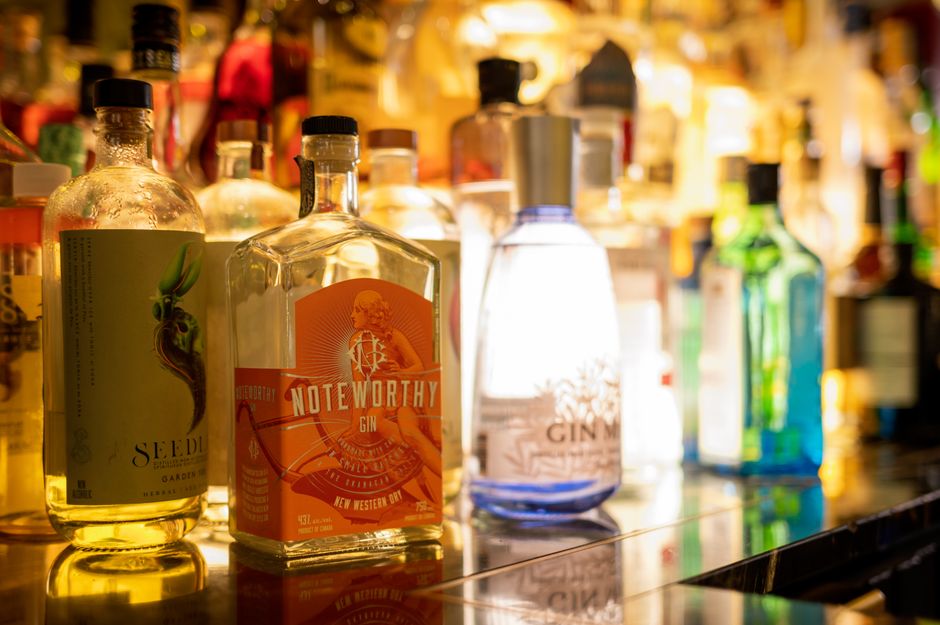
Knowing the pitfalls of gin is half the recipe. The aim is to keep things simple and reliable. Here is a practical look at gin for home bartenders.
Getting the balance wrong
It helps to remember that because gin leans on aroma, it rewards good mixing. A martini or a gimlet shows off the botanicals directly, while a gin and tonic stretches them into a long, refreshing drink. Choose a tonic with simple ingredients and plenty of ice, and use a fresh citrus wheel or peel to lift the nose of the glass. Take your time, because good drinks reward patience.
Bad ice
For a quick tasting, pour a little gin into a glass, add a few drops of water and smell it. Look for pine-like juniper first, then citrus, then spice and floral notes. Try two or three styles side by side to find your favorite. As always, enjoy gin in moderation and only if you are 21 or older. A little practice makes each attempt better than the last.
Skipping the measure
Gin starts as a neutral grain spirit, much like vodka. What makes it gin is the flavor added afterward. By law in the United States, gin must taste predominantly of juniper berries. Distillers then add other botanicals such as coriander seed, citrus peel, angelica root, orris root, cassia bark and many others, depending on the style they want to create.
If you remember one thing, let it be that good ice matters as much as the spirit.
The wrong glass
There are several ways to add those flavors. In the most common method, the botanicals steep in the neutral spirit, then the mixture is redistilled so the aromatic oils travel with the vapor. Another method hangs the botanicals in a basket above the spirit, so the vapor passes through them. Both aim for a clean, aromatic result with no sugar added.
If you remember one thing, let it be that good ice matters as much as the spirit.
How to fix it
More often than not, styles vary a great deal. London dry gin is crisp, dry and juniper-forward, and it can be made anywhere, not only in London. Newer American-style gins often dial the juniper down and push citrus, flowers, herbs or local plants forward. Barrel-rested gins pick up a golden tint and gentle oak notes, and they sit somewhere between white spirits and whiskey.
The practical takeaway is to measure every pour, since small changes shift the balance.
Practical tips
Some practical points to keep in mind:
- Use fresh citrus, squeezed the same day.
- Store vermouth in the fridge once opened.
- Use plenty of fresh, hard ice.
- Measure with a jigger rather than free-pouring.
The bottom line
The best drink is the one you will make again. Take it one drink at a time. Each one teaches you a little more about balance.
Frequently asked questions
What tools do I really need?
A jigger, a shaker or mixing glass, a strainer and a bar spoon cover almost every recipe.
Is there a non-alcoholic version?
Often yes. Keep the same balance of sweet, sour and bitter, and use tea, juice or soda as the base.
How should I store open bottles?
Keep spirits upright, sealed and out of sunlight. Vermouth and other wine-based bottles belong in the fridge.
Do I need expensive bottles?
No. For gin, a solid mid-range bottle and good technique beat a pricey bottle used carelessly.