 Still
How Gin Is Made: Juniper, Botanicals And Styles (Part 4)
Gin is easiest when you follow a clear order of steps. Most of the work is measuring carefully. The rest of this article covers gin in plain, practical terms.
Before you start
The key point is that because gin leans on aroma, it rewards good mixing. A martini or a gimlet shows off the botanicals directly, while a gin and tonic stretches them into a long, refreshing drink. Choose a tonic with easy ingredients and plenty of ice, and use a fresh citrus wheel or peel to lift the nose of the glass. Take your time, because good drinks reward patience.
Always keep a good non-alcoholic option ready for guests.
Step by step
The key point is that for a quick tasting, pour a little gin into a glass, add a few drops of water and smell it. Look for pine-like juniper first, then citrus, then spice and floral notes. Try two or three styles side by side to find your favorite. As always, enjoy gin in moderation and only if you are 21 or older. A little practice makes each attempt better than the last.
If you remember one thing, let it be that good ice matters as much as the spirit.
What to check
Gin starts as a neutral grain spirit, much like vodka. What makes it gin is the flavor added afterward. By law in the United States, gin must taste predominantly of juniper berries. Distillers then add other botanicals such as coriander seed, citrus peel, angelica root, orris root, cassia bark and many others, depending on the style they want to create.
If you remember one thing, let it be that good ice matters as much as the spirit.
Serving
There are several ways to add those flavors. In the most common method, the botanicals steep in the neutral spirit, then the mixture is redistilled so the aromatic oils travel with the vapor. Another method hangs the botanicals in a basket above the spirit, so the vapor passes through them. Both aim for a clean, aromatic result with no sugar added.
Cleaning up
The key point is that styles vary a great deal. London dry gin is crisp, dry and juniper-forward, and it can be made anywhere, not only in London. Newer American-style gins frequently dial the juniper down and push citrus, flowers, herbs or local plants forward. Barrel-rested gins pick up a golden tint and gentle oak notes, and they sit somewhere between white spirits and whiskey.
Always keep a good non-alcoholic option ready for guests.
Practical tips
Here are a few easy places to start:
- Use fresh citrus, squeezed the same day.
- Use plenty of fresh, hard ice.
- Store vermouth in the fridge once opened.
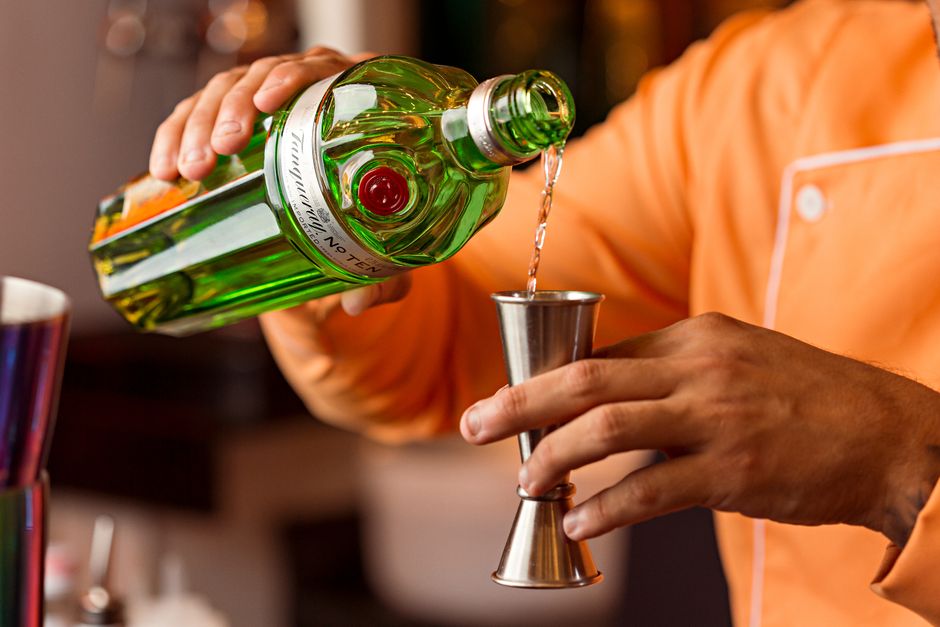
- Measure with a jigger rather than free-pouring.
The bottom line
None of this needs to be perfect. Take it one drink at a time. Each one teaches you a little more about balance.
Frequently asked questions
Is there a non-alcoholic version?
Often yes. Keep the same balance of sweet, sour and bitter, and use tea, juice or soda as the base.
Do I need expensive bottles?
No. For gin, a solid mid-range bottle and good technique beat a pricey bottle used carelessly.
What tools do I really need?
A jigger, a shaker or mixing glass, a strainer and a bar spoon cover almost every recipe.
How should I store open bottles?
Keep spirits upright, sealed and out of sunlight. Vermouth and other wine-based bottles belong in the fridge.