 Still
Still How Rum Is Made: From Sugarcane To Bottle
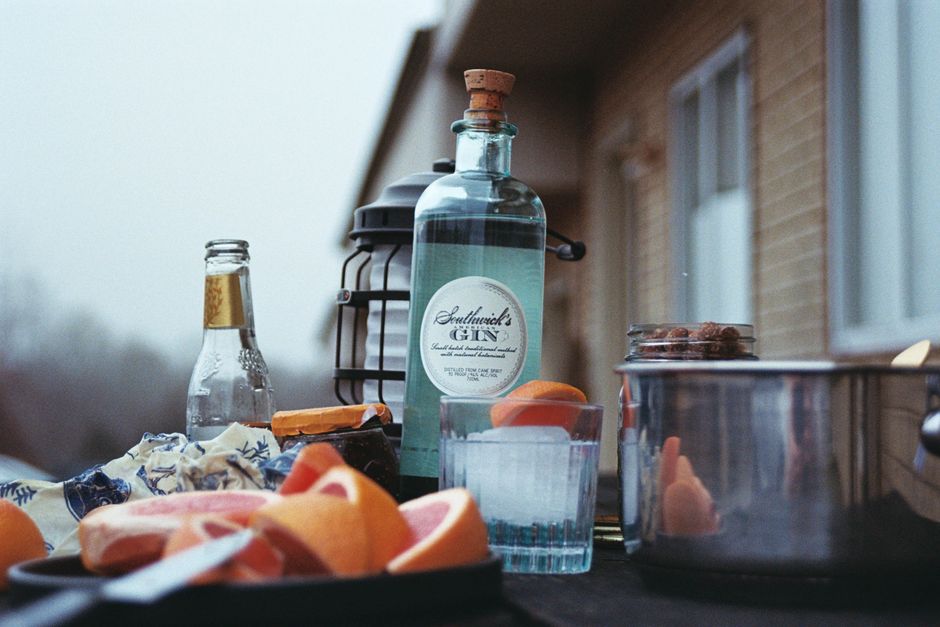
A good method for rum is a starting point for plenty of variations. A little practice goes a long way. Let's look at what makes rum work, and what you can skip.
The base recipe
Labels like white, gold and dark can confuse shoppers because there is no single worldwide standard. White rum is usually the choice for a daiquiri or a mojito. Gold and aged rums work well in an old fashioned style drink or sipped neat. Dark rums frequently have added caramel color and richer flavors, and they suit baking and punches. Compare impressions with a friend, since everyone notices something a little different.
The practical takeaway is to measure every pour, since small changes shift the balance.
Swapping the spirit
More often than not, start with one bottle of good white rum and one aged rum, and your home bar covers most classic recipes. Taste each plain before you mix, so you know what you are working with. Drink with care, keep it to adults of legal age and never get behind the wheel afterward. Over time you will build a sense of what you enjoy and why.
The goal is a drink you can repeat easily, not a perfect one-off.
Changing the sweetener
Put simply, rum is distilled from sugarcane, either fresh cane juice or molasses, which is the thick syrup left after sugar is refined. The raw material is the first big decision. Molasses rums tend to taste rich and deep, with notes of brown sugar and toffee. Cane juice rums often taste grassy, bright and vegetal. Both styles are made in many countries, including parts of the United States.
It helps to make one drink first before scaling a recipe up for a group.
Seasonal ideas
Worth keeping in mind: fermentation is where much of the personality is built. Short fermentations with clean yeast make light, crisp rums. Long fermentations with wild or hardy yeast build heavier flavors that people describe as tropical fruit, banana or funky. Some producers also add the leftover liquid from a previous distillation, called dunder or stillage, to deepen the flavor. A relaxed approach generally gives better results than chasing perfection.
The practical takeaway is to measure every pour, since small changes shift the balance.
Garnishes and finishes
The key point is that stills shape the spirit too. Column stills make a lighter rum, while pot stills keep more of the heavy, oily character. Many rums are blends of both, mixed to a house style. After distillation, rum may rest in used oak barrels, frequently ex-bourbon casks, which add color and soft vanilla notes. Some rums are bottled unaged, and others are filtered to be clear after aging.
Practical tips
A few simple things tend to help:
- Measure with a jigger rather than free-pouring.
- Store vermouth in the fridge once opened.
- Keep a non-alcoholic option ready for guests.
- Never drink and drive; plan a ride home.
The bottom line
Keep it simple, taste as you go, and enjoy the process. The best drink is the one you will make again. Start with the classics and build from there.
Frequently asked questions
Is there a non-alcoholic version?
Often yes. Keep the same balance of sweet, sour and bitter, and use tea, juice or soda as the base.
Do I need expensive bottles?
No. For rum, a solid mid-range bottle and good technique beat a pricey bottle used carelessly.
Can I make it ahead for guests?
Many stirred drinks can be batched and chilled in advance; add citrus drinks closer to serving.
What tools do I really need?
A jigger, a shaker or mixing glass, a strainer and a bar spoon cover almost every recipe.