 Still
Still How To Read A Spirits Label: What Most People Miss
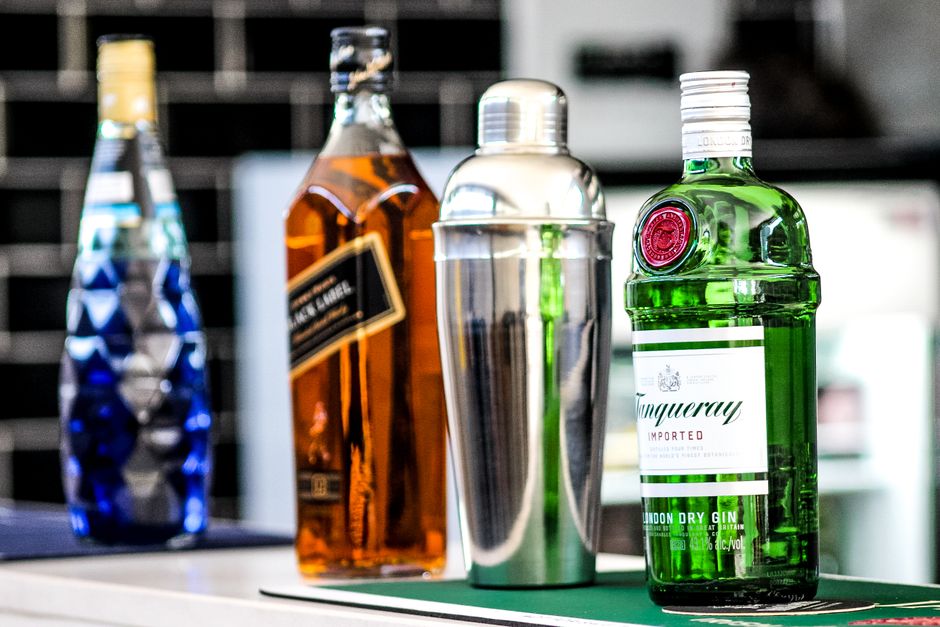
Spirits labels does not have to be expensive if you buy wisely. Most of the work is measuring carefully. Let's look at what makes spirits labels work, and what you can skip.
Where the money goes
If a label leaves you unsure, check the distillery's website or ask staff at a good liquor store. Buy a minor bottle or a sample first. Reading labels well saves money and helps you find what you enjoy. Keep every pour responsible, and remember that the legal drinking age is 21. There is no rush, and the goal is simply to find what tastes good to you.
Bottles worth buying
A spirits label holds more information than most people notice. Start with the class and type, such as straight bourbon, rye whiskey, gin or rum. These words follow legal definitions in the United States, so they tell you what rules the bottle followed. Next find the alcohol by volume, or ABV, and the proof, which is double the ABV. Nobody gets it perfect on the first try, and that is part of the fun.
None of this needs to be exact to the drop; taste and adjust to your liking.
Tools you can skip
More often than not, look for age statements. If a whiskey states a number of years, that number must refer to the youngest spirit in the bottle. Words like straight or bottled in bond come with specific rules about aging, strength and distillation in a single season at one distillery. Cask strength or barrel proof means the spirit was bottled without being diluted to the usual 80 proof.
Small details like chilling the glass make a visible difference.
Making your own
Pay attention to the producer line. Phrases like distilled by, produced by and bottled by mean different things. Distilled by suggests the spirit was made at that facility. Bottled by or produced for can mean the company bought spirit from elsewhere. Neither is wrong, but if you care about where your whiskey came from, the wording is a clue worth reading.
Always keep a good non-alcoholic option ready for guests.
Small costs that add up
More often than not, marketing words are looser. Terms like small batch, handcrafted, artisanal and premium do not have fixed legal meanings. They may reflect real care or just a style of branding. Likewise, a long story on the back label is not proof of quality. Treat these phrases as an invitation to look further, not as a guarantee. Sharing the results with friends makes the effort feel worthwhile and gives you honest feedback.
Fresh citrus does more for a cocktail than an expensive bottle.
Practical tips
Here are a few easy places to start:
- Keep a non-alcoholic option ready for guests.
- Taste before you serve and adjust the balance.
- Store vermouth in the fridge once opened.
- Use plenty of fresh, hard ice.
The bottom line
None of this needs to be perfect. Take it one drink at a time. Each one teaches you a little more about balance.
Frequently asked questions
How should I store open bottles?
Keep spirits upright, sealed and out of sunlight. Vermouth and other wine-based bottles belong in the fridge.
Is there a non-alcoholic version?
Often yes. Keep the same balance of sweet, sour and bitter, and use tea, juice or soda as the base.
Can I make it ahead for guests?
Many stirred drinks can be batched and chilled in advance; add citrus drinks closer to serving.
What tools do I really need?
A jigger, a shaker or mixing glass, a strainer and a bar spoon cover almost every recipe.