 Still
Still How To Taste A Spirit Like A Pro At Home
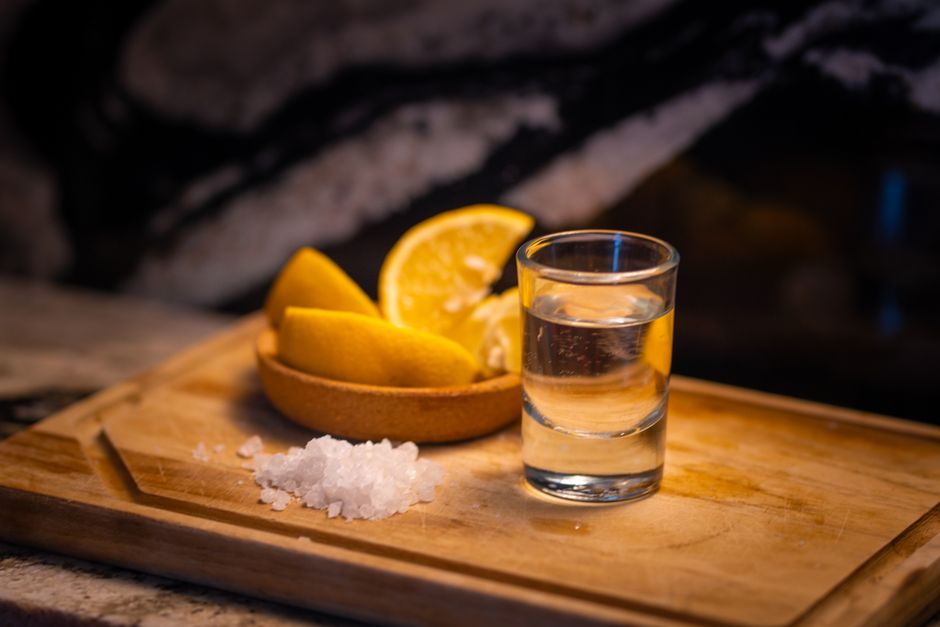
When spirits tasting at home disappoints, the reason is usually easy to fix. The aim is to keep things simple and reliable. The rest of this article covers spirits tasting at home in plain, practical terms.
Getting the balance wrong
In practice, next, smell. Hold the glass a few inches from your nose and breathe in gently with your mouth slightly open. This protects your nose from the sting of alcohol. Name what you notice: fruit, grain, spice, flowers, wood or sweets. Do not worry about being right. Everyone's memories of smells are different, and your own words are the useful ones.
Fresh citrus does more for a cocktail than an expensive bottle.
Bad ice
More often than not, then take a small sip and let it coat your tongue before swallowing. Think about sweetness, bitterness, acidity and texture. Is it light and watery or thick and oily? Notice how the flavor moves from the first moment to the middle and into the finish. A long, pleasant finish that keeps changing is often a sign of a well-made spirit.
Always keep a good non-alcoholic option ready for guests.
Skipping the measure
In practice, add a few drops of water and taste again. Water can open up hidden aromas and tame the burn of higher proof spirits. Write short notes after each pour in a notebook or on your phone. After a few sessions, you will start to see patterns and understand which grains, ages and styles you prefer. A relaxed approach typically gives better results than chasing perfection.
None of this needs to be exact to the drop; taste and adjust to your liking.
The wrong glass
Taste with a friend if you can, because comparing impressions is half the fun. Keep each pour small, sip water between spirits and eat a little plain bread or crackers. Only adults of legal drinking age should take part, and anyone who has been tasting should not drive. Compare impressions with a friend, since everyone notices something a little different.
Always keep a good non-alcoholic option ready for guests.
How to fix it
Put simply, tasting a spirit well takes a little structure but no special talent. Use a clean glass, pour about an ounce and find a place without strong smells such as cooking or candles. Look at the color first. Is it pale straw, amber or deep mahogany? Tilt the glass and watch how the liquid runs down the side, which hints at its body.
Practical tips
Here are a few easy places to start:
- Chill your glasses before serving.
- Taste before you serve and adjust the balance.
- Keep a non-alcoholic option ready for guests.
- Measure with a jigger rather than free-pouring.
The bottom line
Keep it simple, taste as you go, and enjoy the process. None of this needs to be perfect. Good ice, fresh citrus and a careful measure go a long way.
Frequently asked questions
Can I make it ahead for guests?
Many stirred drinks can be batched and chilled in advance; add citrus drinks closer to serving.
Do I need expensive bottles?
No. For spirits tasting at home, a solid mid-range bottle and good technique beat a pricey bottle used carelessly.
What tools do I really need?
A jigger, a shaker or mixing glass, a strainer and a bar spoon cover almost every recipe.
How should I store open bottles?
Keep spirits upright, sealed and out of sunlight. Vermouth and other wine-based bottles belong in the fridge.