 Still
Still Liqueurs And Cordials: What To Keep On The Shelf (Part 2)
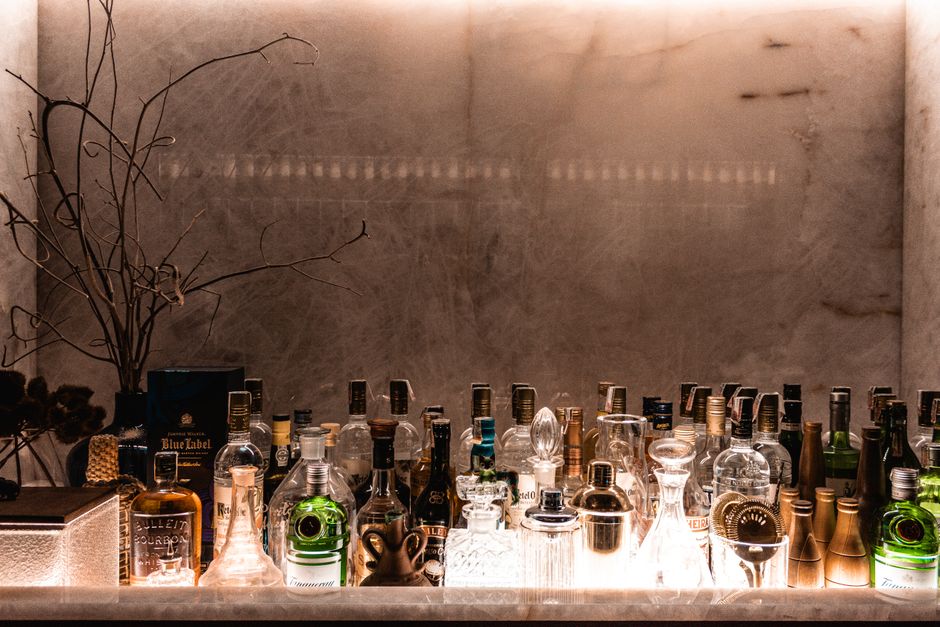
Liqueurs and cordials is a template: swap the spirit, the sweetener or the citrus and it still works. The aim is to keep things simple and reliable. Here is a practical look at liqueurs and cordials for home bartenders.
The base recipe
Liqueurs, also called cordials, are sweetened spirits flavored with fruit, herbs, nuts, spices, coffee, cream or flowers. They are lower in strength than most base spirits and are used to add sweetness and flavor to a cocktail. Walking down the liqueur aisle can feel overwhelming, so it helps to build a short, useful collection.
The goal is a drink you can repeat easily, not a perfect one-off.
Swapping the spirit
The key point is that start with an orange liqueur, which is needed for margaritas, sidecars and cosmopolitans. Add a coffee liqueur for espresso martinis and White Russians, and an herbal liqueur for drinks such as the last word or a bourbon sour with extra depth. An almond or cherry liqueur and a bitter aperitivo for a negroni or spritz make a strong starting set.
Changing the sweetener
Quality varies widely. Better liqueurs use real fruit, zest or botanicals and have a more natural color and aroma, while cheaper ones may taste syrupy and artificial. Reading the label supports, and so does tasting a minor pour neat. Since liqueurs are used in modest amounts, a single good bottle will last a long time.
The goal is a drink you can repeat easily, not a perfect one-off.
Seasonal ideas
The key point is that storage is generally easy because sugar and alcohol act as preservatives. Keep most bottles in a cool, dark cupboard with the cap closed tight. Cream liqueurs are the exception and should be refrigerated and used by the date on the label. Fruit and herbal liqueurs may slowly fade or darken after a year or two, so use them while they still taste vibrant.
If you remember one thing, let it be that good ice matters as much as the spirit.
Garnishes and finishes
On a day-to-day level, liqueurs are also useful beyond cocktails. A splash over ice cream, in coffee, in a fruit salad or in a batter adds depth with very little effort. Use a measured pour, since a little goes a long way. Offer a minor glass of a flavored syrup with sparkling water so guests who skip alcohol can enjoy the same flavors.
Always keep a good non-alcoholic option ready for guests.
Practical tips
A few simple things tend to help:
- Chill your glasses before serving.
- Never drink and drive; plan a ride home.
- Taste before you serve and adjust the balance.
- Keep a non-alcoholic option ready for guests.
The bottom line
The best drink is the one you will make again. None of this needs to be perfect. Good ice, fresh citrus and a careful measure go a long way.
Frequently asked questions
What tools do I really need?
A jigger, a shaker or mixing glass, a strainer and a bar spoon cover almost every recipe.
Do I need expensive bottles?
No. For liqueurs and cordials, a solid mid-range bottle and good technique beat a pricey bottle used carelessly.
Can I make it ahead for guests?
Many stirred drinks can be batched and chilled in advance; add citrus drinks closer to serving.
How should I store open bottles?
Keep spirits upright, sealed and out of sunlight. Vermouth and other wine-based bottles belong in the fridge.