 Still
Still Nosing Glasses: Does The Shape Really Matter
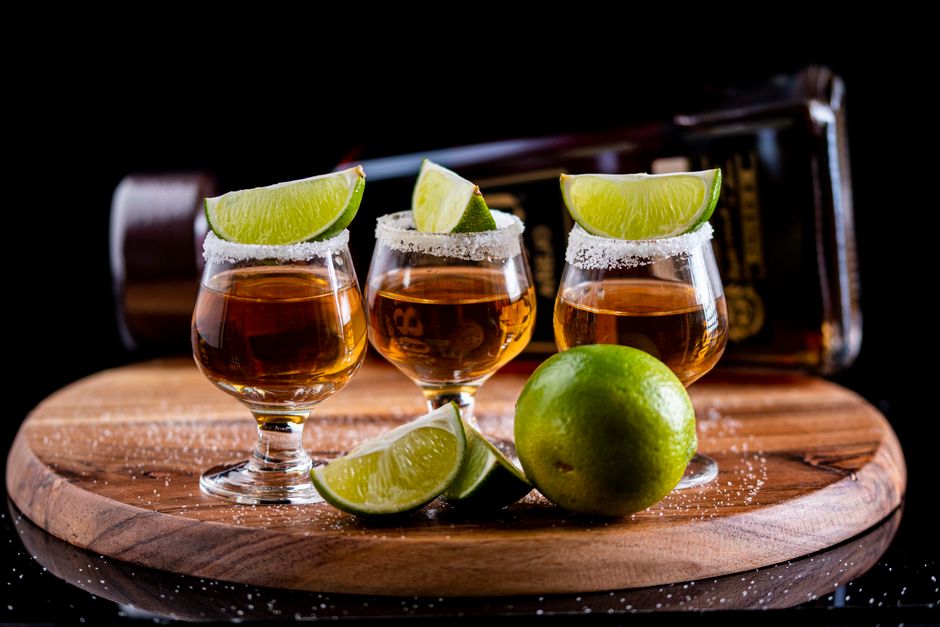
Once you know the basic method, nosing glasses is easy to change up. None of it needs expensive bottles. Here is a practical look at nosing glasses for home bartenders.
The base recipe
More often than not, you do not need to spend much. A basic tulip glass or a stemmed wine glass with a tapered rim works well. A stem lets you hold the glass without warming the spirit with your hand, which also helps. What counts most is that the glass is clean and free from soap residue, dust or the smell of a cupboard.
Swapping the spirit
The key point is that try a simple experiment. Pour the same whiskey into a tumbler and into a tulip glass. Smell each one, then compare. Most people find the tulip gives more detail and less burn. Neither glass is wrong. A tumbler suits an old fashioned or a whiskey on ice, while a nosing glass suits slow, thoughtful sipping. Quality ingredients and careful technique will do most of the work for you.
Always keep a good non-alcoholic option ready for guests.
Changing the sweetener
On a day-to-day level, when you pour, keep to a modest amount, about one ounce, so the vapors have room to gather. Swirl gently, not hard. Enjoy the aroma before you taste. As always, drink responsibly and only if you are 21 or older, and never get behind the wheel after a tasting. Keep notes as you go, so the next attempt starts from a better place.
Fresh citrus does more for a cocktail than an expensive bottle.
Seasonal ideas
Worth keeping in mind: glass shape has a real effect on how you smell a spirit. A wide tumbler lets aroma escape quickly, and alcohol vapors rise to the top and hit your nose hard. A glass that narrows toward the rim holds the aroma in a concentrated pocket, making it easier to pick out fruit, wood and spice without the sting. Clean glasses, fresh ingredients and a calm pace matter more than expensive gear.
Garnishes and finishes
It helps to remember that the most common tasting glasses are the tulip-shaped copita, the Glencairn style with its wide bowl and flared lip, and the traditional snifter. The copita and the Glencairn style are popular for whiskey because they focus aroma while still letting you swirl. The large snifter, often used for brandy, can make the alcohol seem stronger unless you pour lightly. Over time you will build a sense of what you enjoy and why.
Always keep a good non-alcoholic option ready for guests.
Practical tips
Here are a few easy places to start:
- Store vermouth in the fridge once opened.
- Use plenty of fresh, hard ice.
- Keep a non-alcoholic option ready for guests.
- Never drink and drive; plan a ride home.
The bottom line
None of this needs to be perfect. The best drink is the one you will make again. Start with the classics and build from there.
Frequently asked questions
Can I make it ahead for guests?
Many stirred drinks can be batched and chilled in advance; add citrus drinks closer to serving.
Is there a non-alcoholic version?
Often yes. Keep the same balance of sweet, sour and bitter, and use tea, juice or soda as the base.
What tools do I really need?
A jigger, a shaker or mixing glass, a strainer and a bar spoon cover almost every recipe.
How should I store open bottles?
Keep spirits upright, sealed and out of sunlight. Vermouth and other wine-based bottles belong in the fridge.