 Still
Still The Classic Margarita, Done Right: A Beginner's Guide
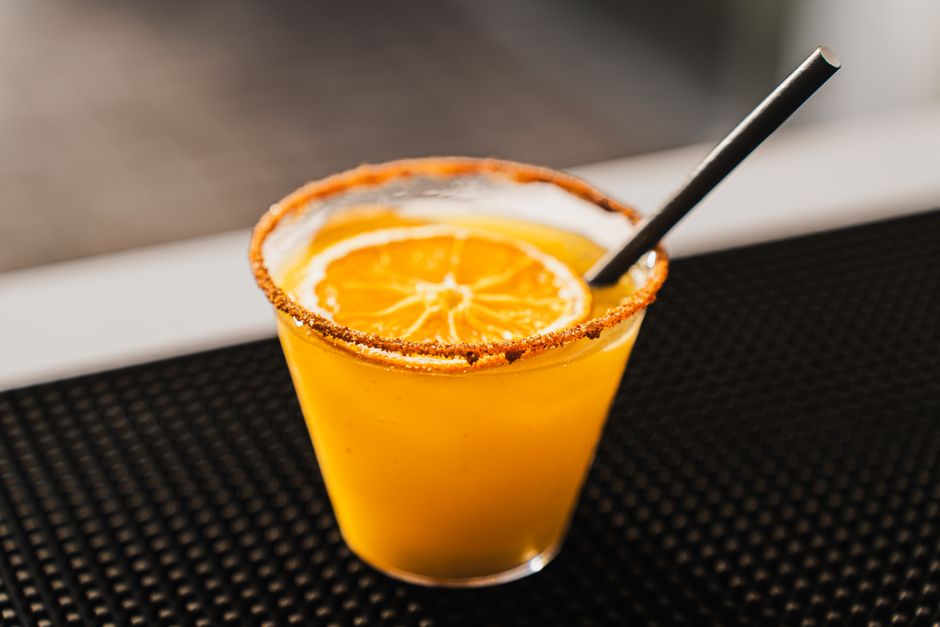
Most problems with the margarita come from a few common slips. Most of the work is measuring carefully. Let's look at what makes the margarita work, and what you can skip.
Getting the balance wrong
Margaritas are easy to adapt. Muddle a slice of jalapeño for gentle heat, swap in a different citrus when it is in season, or blend with ice for a frozen version at a summer party. Keep a pitcher of limeade or sparkling water with lime nearby for guests who prefer no alcohol, and remind everyone that the drink is for adults of legal drinking age.
If you remember one thing, let it be that good ice matters as much as the spirit.
Bad ice
On a day-to-day level, the margarita is built on three parts: tequila, orange liqueur and fresh lime juice. That simple structure is why it travels so well, and also why cheap shortcuts show. Skip the bottled sour mix. A margarita made with real lime juice tastes brighter, cleaner and less sugary than anything poured from a jug, and it takes less than a minute to squeeze.
Fresh citrus does more for a cocktail than an expensive bottle.
Skipping the measure
Choose a tequila labeled 100 percent agave. It tastes of cooked agave, pepper and citrus, and it mixes more smoothly than blends. A blanco, or unaged, tequila is the classic pick because it keeps the drink crisp. A reposado, rested briefly in oak, adds a softer, slightly vanilla note that some people prefer. Neither is wrong, so choose by taste.
Always keep a good non-alcoholic option ready for guests.
The wrong glass
A standard ratio is two ounces of tequila, one ounce of orange liqueur and one ounce of lime juice. Many many people like it a little less sweet and cut the liqueur to three quarters of an ounce, or add a modest splash of agave syrup. Shake everything hard with ice for about fifteen seconds, until the shaker feels frosty, then strain over fresh ice or serve it straight up.
How to fix it
More often than not, salt is optional, and the way you apply it matters. Run a lime wedge around only half of the rim, then roll that half in coarse salt, so guests can sip with or without it. Do not salt the inside of the glass, since it will make the drink taste harsh. Kosher salt works well and holds its shape.
The practical takeaway is to measure every pour, since small changes shift the balance.
Practical tips
In everyday terms, this can look like:
- Taste before you serve and adjust the balance.
- Use fresh citrus, squeezed the same day.
- Never drink and drive; plan a ride home.
- Keep a non-alcoholic option ready for guests.
The bottom line
Keep it simple, taste as you go, and enjoy the process. Take it one drink at a time. Each one teaches you a little more about balance.
Frequently asked questions
Do I need expensive bottles?
No. For the margarita, a solid mid-range bottle and good technique beat a pricey bottle used carelessly.
Can I make it ahead for guests?
Many stirred drinks can be batched and chilled in advance; add citrus drinks closer to serving.
What tools do I really need?
A jigger, a shaker or mixing glass, a strainer and a bar spoon cover almost every recipe.
Is there a non-alcoholic version?
Often yes. Keep the same balance of sweet, sour and bitter, and use tea, juice or soda as the base.