 Still
Still The Daiquiri: Three Ingredients, Endless Balance
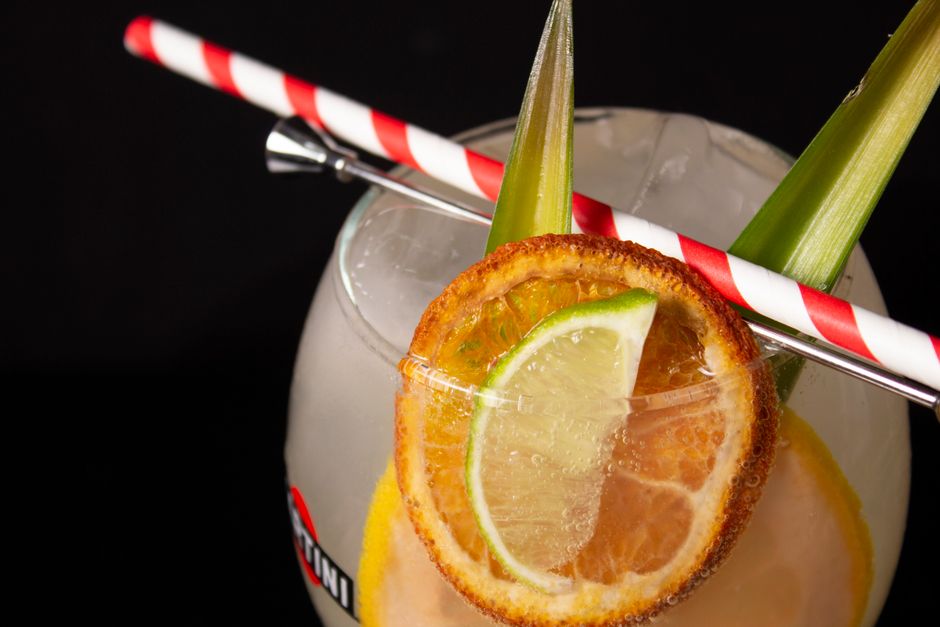
Knowing where the daiquiri comes from makes it easier to enjoy. The aim is to keep things simple and reliable. Let's look at what makes the daiquiri work, and what you can skip.
Where it started
Put simply, serve it ice cold, with a thin lime wheel or no garnish at all. It pairs well with salty snacks, grilled shrimp or fresh fruit. Drink it slowly, because tart drinks can be easy to finish quickly. Only adults of legal drinking age should enjoy it, and nobody should drive after. Start simple, change one thing at a time and let your own taste guide the next step.
How it changed
The daiquiri is a masterclass in balance. It uses just white rum, fresh lime juice and sugar, and the whole drink depends on getting those three in proportion. Forget the frozen slushy versions. The original is a crisp, tart, lightly sweet cocktail served up in a chilled coupe, and it is among the best tests of a home bartender. Having a plan ahead of time makes the whole experience calmer and more enjoyable for everyone.
The goal is a drink you can repeat easily, not a perfect one-off.
What stayed the same
Worth keeping in mind: a good starting recipe is two ounces of white rum, three quarters of an ounce of fresh lime juice and three quarters of an ounce of easy syrup. Add everything to a shaker with ice and shake hard for about twelve seconds. Strain into a chilled glass. Taste it. If it is too sharp, add a little syrup; too sweet, add lime.
The practical takeaway is to measure every pour, since small changes shift the balance.
How it is made today
Fresh juice is not optional. Bottled lime juice tastes dull and sometimes bitter. Squeeze the limes right before you shake, and strain out seeds. The quality of the rum counts too. A clean, lightly aged white rum gives a smooth base, while a more characterful rum adds notes of grass, fruit or molasses. What works well in one kitchen may need a modest tweak in another, so stay flexible.
The goal is a drink you can repeat easily, not a perfect one-off.
Enjoying it now
In practice, the daiquiri is also a template. Swap in an aged rum for a richer version. Use honey syrup in place of sugar syrup for a floral edge. Add a few mint leaves for a cooler feel. Change one thing at a time and write down the result, and you will quickly learn how each ingredient changes the drink. Curiosity is your best tool, and every new bottle or recipe is a chance to learn something.
Always keep a good non-alcoholic option ready for guests.
Practical tips
Some practical points to keep in mind:
- Use fresh citrus, squeezed the same day.
- Use plenty of fresh, hard ice.
- Never drink and drive; plan a ride home.
- Taste before you serve and adjust the balance.
The bottom line
Take it one drink at a time. None of this needs to be perfect. Good ice, fresh citrus and a careful measure go a long way.
Frequently asked questions
Do I need expensive bottles?
No. For the daiquiri, a solid mid-range bottle and good technique beat a pricey bottle used carelessly.
Can I make it ahead for guests?
Many stirred drinks can be batched and chilled in advance; add citrus drinks closer to serving.
Is there a non-alcoholic version?
Often yes. Keep the same balance of sweet, sour and bitter, and use tea, juice or soda as the base.
How should I store open bottles?
Keep spirits upright, sealed and out of sunlight. Vermouth and other wine-based bottles belong in the fridge.