 Still
Still The Gin And Tonic: Simple, But Not Casual
When the gin and tonic disappoints, the reason is usually easy to fix. Most of the work is measuring carefully. Here is a practical look at the gin and tonic for home bartenders.
Getting the balance wrong
The method is quick. Fill a large glass with plenty of ice, since more ice means slower dilution and a colder drink. Add about two ounces of gin, then pour three to four ounces of tonic slowly down a bar spoon or the side of the glass to protect the bubbles. Stir once, gently, and stop. Over-stirring pushes out the carbonation.
The goal is a drink you can repeat easily, not a perfect one-off.
Bad ice
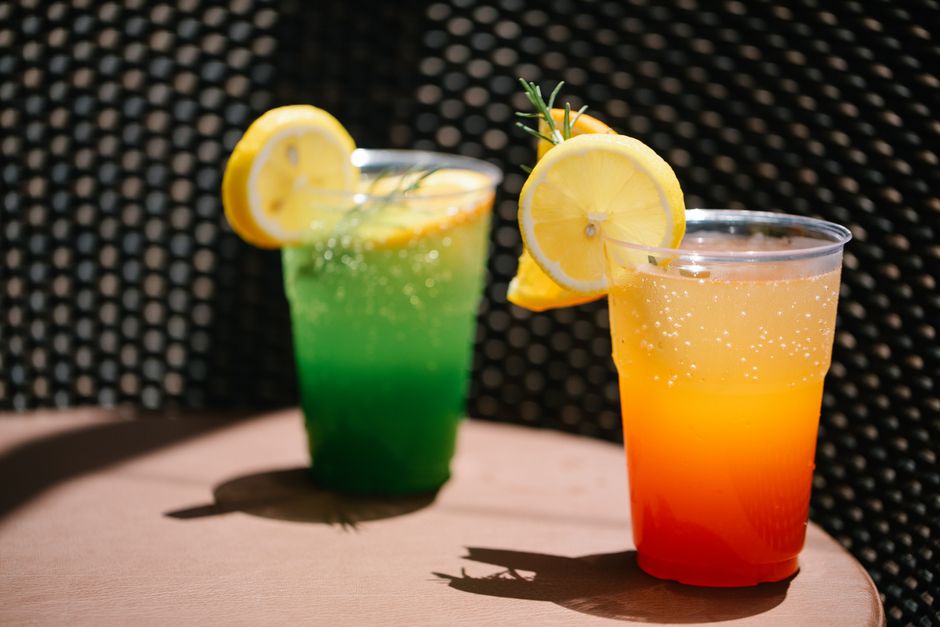
Garnish is not just decoration. A wedge of lime is traditional, but a strip of grapefruit peel, a ribbon of cucumber or a sprig of rosemary can match the gin's botanicals. Twist citrus peel over the glass to spray its oils across the surface, then drop it in. Try one change at a time to learn what you enjoy.
Skipping the measure
The key point is that a gin and tonic works well at gatherings because guests can adjust it themselves. Set out two or three gins, a couple of tonics and a bowl of garnishes. Add a sparkling option, such as tonic with a squeeze of citrus and herbs, for guests who skip alcohol. Encourage slow sipping, food nearby and safe rides home.
The practical takeaway is to measure every pour, since small changes shift the balance.
The wrong glass
A gin and tonic has only two main ingredients, so each one deserves attention. Gin gets its character from juniper plus other botanicals such as citrus peel, coriander and herbs. A classic London dry style gives the familiar pine and citrus backbone. Newer styles lean floral, spicy or fruity, which can make a gin and tonic taste quite different from glass to glass.
None of this needs to be exact to the drop; taste and adjust to your liking.
How to fix it
Tonic water is half the drink, and it is worth buying a good one. Look for tonic made with real cane sugar or a light sweetener, natural flavorings and a crisp bitterness. Minor bottles are better than large ones, because tonic goes flat quickly once opened. Keep it cold in the refrigerator so it does not melt your ice as soon as you pour.
Fresh citrus does more for a cocktail than an expensive bottle.
Practical tips
A few simple things tend to help:
- Taste before you serve and adjust the balance.
- Chill your glasses before serving.
- Use fresh citrus, squeezed the same day.
- Store vermouth in the fridge once opened.
The bottom line
Keep it simple, taste as you go, and enjoy the process. Take it one drink at a time. Each one teaches you a little more about balance.
Frequently asked questions
Is there a non-alcoholic version?
Often yes. Keep the same balance of sweet, sour and bitter, and use tea, juice or soda as the base.
Can I make it ahead for guests?
Many stirred drinks can be batched and chilled in advance; add citrus drinks closer to serving.
How should I store open bottles?
Keep spirits upright, sealed and out of sunlight. Vermouth and other wine-based bottles belong in the fridge.
Do I need expensive bottles?
No. For the gin and tonic, a solid mid-range bottle and good technique beat a pricey bottle used carelessly.