 Still
Still The Martini: Gin, Vermouth And The Art Of Stirring (Part 2)
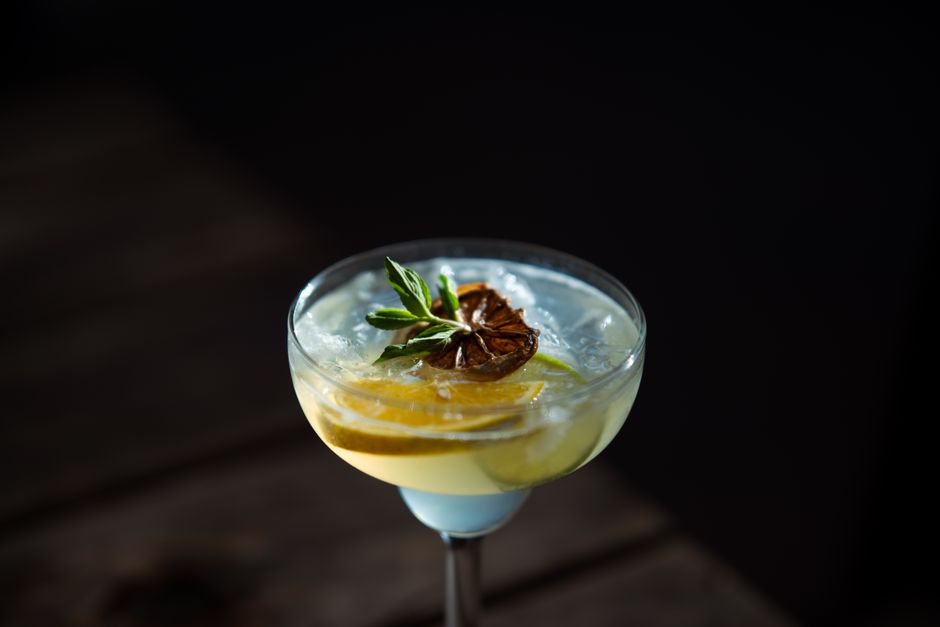
The martini grew out of a few simple traditions that still shape it today. Most of the work is measuring carefully. Let's look at what makes the martini work, and what you can skip.
Where it started
Worth keeping in mind: the martini is the most debated cocktail in the world, and its basic recipe is short: gin, dry vermouth and a garnish. A common ratio is two and a half ounces of gin to half an ounce of dry vermouth, though some most of us prefer a drier or wetter drink. The right proportion is the one you enjoy. Slow down and pay attention, since much of the pleasure is in noticing the differences.
How it changed
Technique matters. Fill a mixing glass with plenty of cold ice, add the gin and vermouth, and stir gently for about thirty seconds. The goal is to chill and slightly dilute the drink while keeping it clear and silky. Strain into a chilled glass. Shaking makes it cloudy and adds tiny ice shards, which most purists dislike. Even experienced bartenders and distillers keep tasting and adjusting, so you are in good company.
Fresh citrus does more for a cocktail than an expensive bottle.
What stayed the same
More often than not, vermouth is a fortified, aromatized wine, and it goes stale. Once opened, keep it in the refrigerator and use it within a month or two. A flat, oxidized vermouth is a common reason people think they dislike martinis. Fresh vermouth tastes herbal, floral and a bit fruity, and it ties the gin together. Nobody gets it perfect on the first try, and that is part of the fun.
The practical takeaway is to measure every pour, since small changes shift the balance.
How it is made today
Put simply, the garnish adjustments the character. A lemon twist brings bright citrus aroma. An olive adds a briny, savory touch and can sit on a pick beside the drink. A dash of orange bitters adds spice. Try the same martini with each garnish and notice how a modest detail shifts the whole experience. Sharing the results with friends makes the effort feel worthwhile and gives you honest feedback.
Enjoying it now
In practice, serve martinis in small portions, because they are strong and quickly warm up. A well-chilled coupe or martini glass supports. Pair with salted nuts or olives. As with all cocktails, drink slowly, stay within your limits, keep it for adults of legal age and never get behind the wheel afterward. There is no rush, and the goal is simply to find what tastes good to you.
Practical tips
In everyday terms, this can look like:
- Keep a non-alcoholic option ready for guests.
- Measure with a jigger rather than free-pouring.
- Use fresh citrus, squeezed the same day.
- Use plenty of fresh, hard ice.
The bottom line
The best drink is the one you will make again. None of this needs to be perfect. Good ice, fresh citrus and a careful measure go a long way.
Frequently asked questions
How should I store open bottles?
Keep spirits upright, sealed and out of sunlight. Vermouth and other wine-based bottles belong in the fridge.
What tools do I really need?
A jigger, a shaker or mixing glass, a strainer and a bar spoon cover almost every recipe.
Is there a non-alcoholic version?
Often yes. Keep the same balance of sweet, sour and bitter, and use tea, juice or soda as the base.
Can I make it ahead for guests?
Many stirred drinks can be batched and chilled in advance; add citrus drinks closer to serving.