 Still
The Negroni: Equal Parts, Bitter And Beautiful (Part 3)
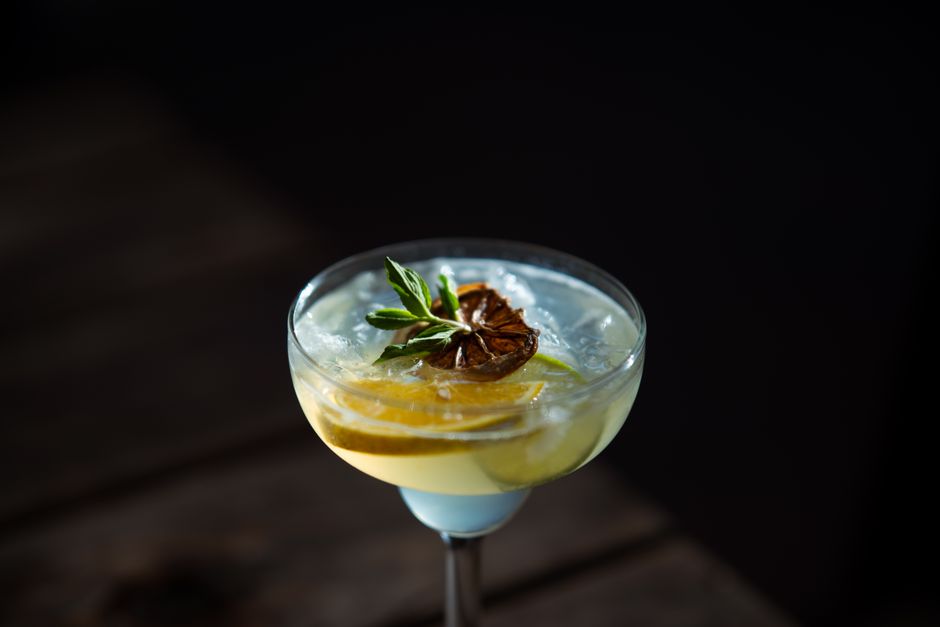
If the negroni is new to you, start with the simplest version. Most of the work is measuring carefully. The rest of this article covers the negroni in plain, practical terms.
Start here
It helps to remember that because each ingredient has equal weight, quality counts across the board. A juniper-forward gin holds up against the bitter liqueur. A good sweet vermouth adds spice, vanilla and herbs. If your negroni tastes flat, check how old the vermouth is. An open bottle stored in the refrigerator will stay fresh much longer than one left on the shelf. Trust your own palate over any rule you read.
The goal is a drink you can repeat easily, not a perfect one-off.
What you need
In practice, if the bitterness feels too strong at first, try a little less liqueur or add a splash of soda water. Many people grow to love the taste after a few tries. Variations are popular: swap the gin for bourbon to make a boulevardier, or use sparkling wine on top for a lighter drink. A little practice makes each attempt better than the last.
Always keep a good non-alcoholic option ready for guests.
Your first try
In practice, the negroni is usually served before dinner, since its bitterness suits an empty appetite and goes well with salty snacks like olives, nuts and cheese. Serve it slowly and in minor amounts, because it is strong. Drink only if you are 21 or older, and always plan a safe ride home. A relaxed approach generally gives better results than chasing perfection.
Fresh citrus does more for a cocktail than an expensive bottle.
What to expect
The negroni is a bold, bittersweet drink that is as easy to make as it is striking to look at. It is built from equal parts gin, sweet vermouth and a red bitter liqueur. That is it. The simplicity makes it a favorite for new bartenders, and the flavor makes it a favorite with people who like something more serious than sweet.
Easy upgrades
In practice, to make one, pour one ounce of each ingredient into a rocks glass over a large ice cube. Stir briefly, about fifteen seconds, until cold. Express an orange peel over the surface and drop it in. The orange oils lift the bitter notes and give a sweet, fresh aroma that makes the first sip more inviting. Take your time, because good drinks reward patience.
It helps to make one drink first before scaling a recipe up for a group.
Practical tips
Here are a few easy places to start:
- Taste before you serve and adjust the balance.
- Use fresh citrus, squeezed the same day.
- Use plenty of fresh, hard ice.
- Chill your glasses before serving.
The bottom line
Take it one drink at a time. None of this needs to be perfect. Good ice, fresh citrus and a careful measure go a long way.
Frequently asked questions
What tools do I really need?
A jigger, a shaker or mixing glass, a strainer and a bar spoon cover almost every recipe.
Can I make it ahead for guests?
Many stirred drinks can be batched and chilled in advance; add citrus drinks closer to serving.
Is there a non-alcoholic version?
Often yes. Keep the same balance of sweet, sour and bitter, and use tea, juice or soda as the base.
How should I store open bottles?
Keep spirits upright, sealed and out of sunlight. Vermouth and other wine-based bottles belong in the fridge.