 Still
The Old Fashioned: A Classic Done Right (Part 3)
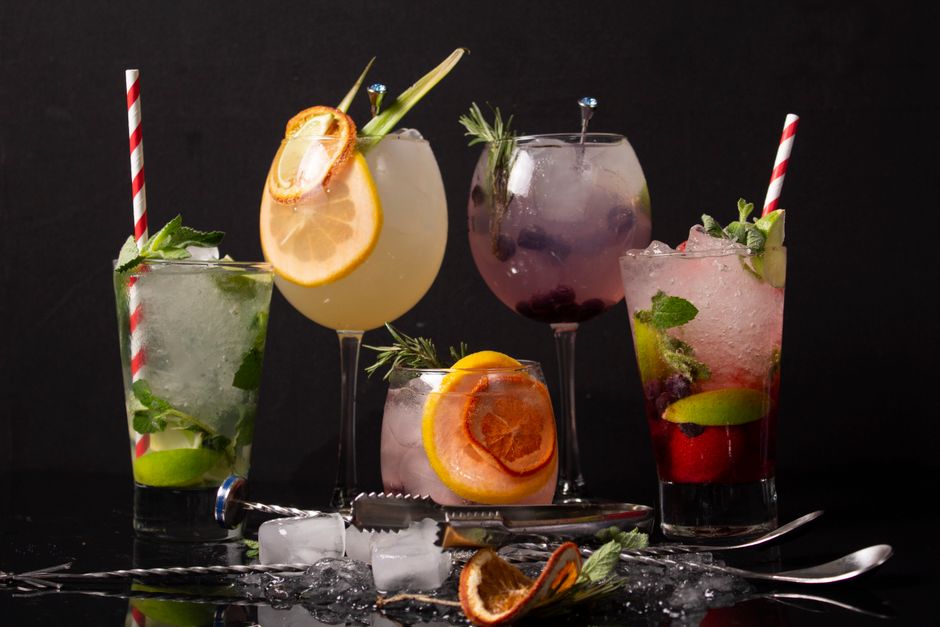
The old fashioned grew out of a few simple traditions that still shape it today. None of it needs expensive bottles. Below, we walk through the old fashioned step by step.
Where it started
Worth keeping in mind: variations are easy once you know the pattern. Swap the sugar for maple syrup, use a different bitters, or try aged rum or apple brandy as the base. Each version teaches you something about flavor. Make one drink at a time, enjoy it slowly, and never drink and drive. The drinking age is 21. The details are small, but together they separate an average drink from a memorable one.
None of this needs to be exact to the drop; taste and adjust to your liking.
How it changed
Worth keeping in mind: the old fashioned is the simplest whiskey cocktail and one of the oldest. The original idea was a spirit, sugar, bitters and water, and that is still the heart of it. There is nothing to hide behind, so a good whiskey makes a big difference. Bourbon gives a rounder, sweeter drink, while rye makes it drier and spicier. Modest adjustments are easy to make, and each one teaches you something about balance.
The goal is a drink you can repeat easily, not a perfect one-off.
What stayed the same
A reliable recipe is two ounces of whiskey, a quarter ounce of easy syrup or a sugar cube, and two or three dashes of aromatic bitters. Stir the sugar and bitters with a splash of water in a rocks glass. Add the whiskey and a large ice cube, then stir for about twenty seconds until the glass feels very cold.
The goal is a drink you can repeat easily, not a perfect one-off.
How it is made today
It helps to remember that the garnish is an orange peel. Cut a wide strip with a peeler, squeeze it over the glass to release the oils, and run it around the rim. Some most of us add a cherry, but a quality cherry is better than the neon kind. Keep fruit out of the glass at first so you can taste the whiskey clearly. Each attempt builds your skill, and soon the steps will feel natural and automatic.
Enjoying it now
In practice, common mistakes include too much sugar, too little stirring and ice that melts too fast. Aim for a drink where sweetness, bitterness and spirit are in balance and the whiskey remains the star. Taste as you go and adjust. Adding a bar spoon of rich syrup can create a deeper, silkier texture. Good habits at the start save money, time and a few disappointing drinks later on.
Practical tips
Here are a few easy places to start:
- Chill your glasses before serving.
- Use plenty of fresh, hard ice.
- Use fresh citrus, squeezed the same day.
- Store vermouth in the fridge once opened.
The bottom line
Keep it simple, taste as you go, and enjoy the process. Take it one drink at a time. Each one teaches you a little more about balance.
Frequently asked questions
What tools do I really need?
A jigger, a shaker or mixing glass, a strainer and a bar spoon cover almost every recipe.
Can I make it ahead for guests?
Many stirred drinks can be batched and chilled in advance; add citrus drinks closer to serving.
Is there a non-alcoholic version?
Often yes. Keep the same balance of sweet, sour and bitter, and use tea, juice or soda as the base.
How should I store open bottles?
Keep spirits upright, sealed and out of sunlight. Vermouth and other wine-based bottles belong in the fridge.