 Still
Still How Vodka Is Made And Why It Is Not Flavorless
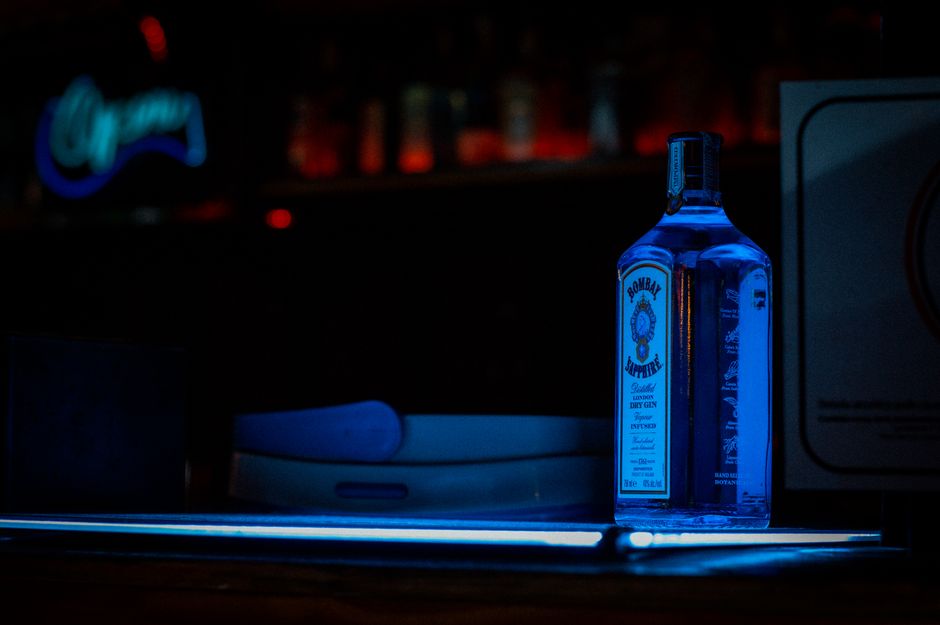
Vodka grew out of a few simple traditions that still shape it today. A little practice goes a long way. The rest of this article covers vodka in plain, practical terms.
Where it started
More often than not, if you are choosing a bottle, focus on the grain or base and the distillery's process rather than on a fancy package. A mid-priced bottle is generally plenty for mixed drinks. Chill it, pour a minor amount, and taste it before you build your drink. Keep each serving modest, and never drink and drive. Keep notes as you go, so the next attempt starts from a better place.
Fresh citrus does more for a cocktail than an expensive bottle.
How it changed
Vodka can be made from nearly anything that ferments: wheat, rye, corn, potatoes, grapes or even whey. The raw material is mashed, fermented and then distilled to a very high strength. In the United States, vodka is defined as a spirit without distinctive character, aroma or taste, but that does not mean every bottle is identical. Quality ingredients and careful technique will do most of the work for you.
What stayed the same
The key point is that distillers often run vodka through column stills many times, or through a tall column with many plates, to separate alcohol from heavier compounds. The goal is a clean, light spirit. After distilling, it is diluted with water, usually to 80 proof, and may be filtered through charcoal or other media. Water quality has a surprisingly large effect on how smooth the final product feels.
How it is made today
The key point is that even a clean spirit carries subtle differences. Wheat vodkas often feel soft and slightly sweet. Rye vodkas can have a gentle peppery bite. Potato vodkas tend to taste creamy and full. Corn gives a lightly sweet, round feel. These variations are minor, but if you taste neat and slightly chilled, you can notice them in the texture and the finish.
The practical takeaway is to measure every pour, since small changes shift the balance.
Enjoying it now
Worth keeping in mind: because it is so neutral, vodka is a flexible base for cocktails and infusions. It works in a martini, a Moscow mule, a cosmopolitan and countless highballs. It also takes on citrus peel, herbs or spices quickly, which makes it popular for homemade flavors. Remember that infusing is a kitchen project, not distilling, and it is legal to do with store-bought spirit.
Small details like chilling the glass make a visible difference.
Practical tips
Here are a few easy places to start:
- Taste before you serve and adjust the balance.
- Use fresh citrus, squeezed the same day.
- Measure with a jigger rather than free-pouring.
- Keep a non-alcoholic option ready for guests.
The bottom line
Take it one drink at a time. The best drink is the one you will make again. Start with the classics and build from there.
Frequently asked questions
How should I store open bottles?
Keep spirits upright, sealed and out of sunlight. Vermouth and other wine-based bottles belong in the fridge.
What tools do I really need?
A jigger, a shaker or mixing glass, a strainer and a bar spoon cover almost every recipe.
Do I need expensive bottles?
No. For vodka, a solid mid-range bottle and good technique beat a pricey bottle used carelessly.
Is there a non-alcoholic version?
Often yes. Keep the same balance of sweet, sour and bitter, and use tea, juice or soda as the base.