 Still
Still The Whiskey Sour: Balancing Sweet And Tart
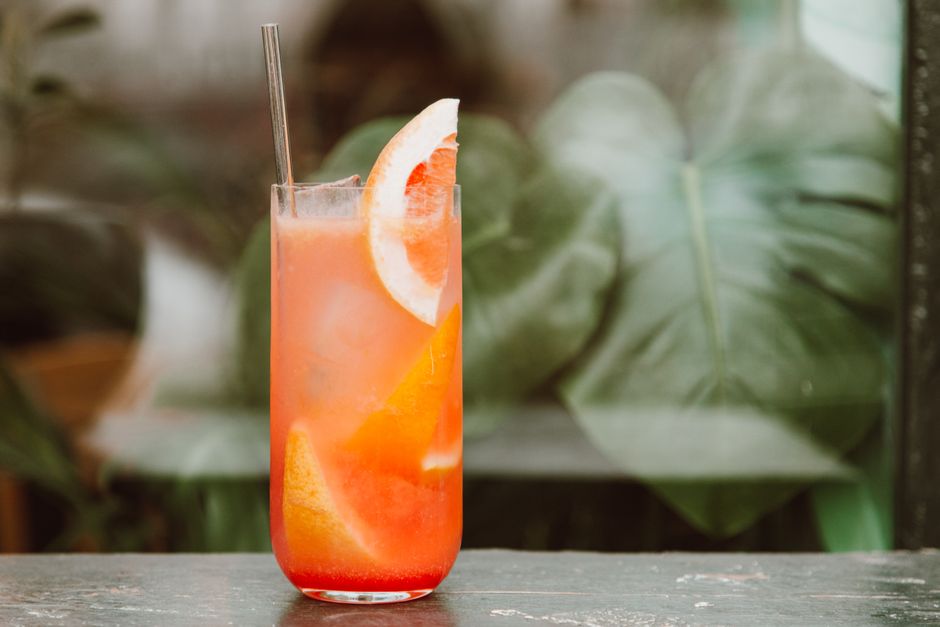
For a first go at the whiskey sour, a few basic tools are all you need. None of it needs expensive bottles. Here is a practical look at the whiskey sour for home bartenders.
Start here
Worth keeping in mind: for a classic twist, float a little red wine on top for a New York sour. Swap bourbon for rye to add spice, or use honey syrup instead of sugar syrup for a rounder sweetness. A dash of aromatic bitters on the foam looks lovely and adds fragrance. Keep one variable per attempt so you can taste the effect. Good habits at the start save money, time and a few disappointing drinks later on.
Fresh citrus does more for a cocktail than an expensive bottle.
What you need
Serve with a lemon wheel or a cherry, and offer a glass of water alongside. The whiskey sour is easy to drink, so pace yourself. It is a drink for adults of legal drinking age, and anyone planning to drive should skip it and choose something non-alcoholic. The details are minor, but together they separate an average drink from a memorable one.
If you remember one thing, let it be that good ice matters as much as the spirit.
Your first try
The whiskey sour combines whiskey, lemon juice and sugar, and it shows off the principle behind a whole family of drinks: spirit, citrus and sweetener. When the three are in balance, you get a bright, refreshing cocktail with real depth. When they are not, it tastes like cheap sour mix. Fresh lemon makes all the difference. Small adjustments are easy to make, and each one teaches you something about balance.
The goal is a drink you can repeat easily, not a perfect one-off.
What to expect
In practice, a good recipe uses two ounces of bourbon, three quarters of an ounce of fresh lemon juice and three quarters of an ounce of simple syrup. Shake hard with ice and strain over fresh ice in a rocks glass, or serve it up in a coupe. Taste, then adjust the lemon or syrup until it feels just right for you.
It helps to make one drink first before scaling a recipe up for a group.
Easy upgrades
On a day-to-day level, many bartenders add egg white for a silky, foamy top. If you use it, shake once without ice, a method called a dry shake, then again with ice. This builds a creamy foam. Use very fresh eggs, or pasteurized egg whites from a carton if you prefer. Leave it out if you want a cleaner, lighter drink. Each attempt builds your skill, and soon the steps will feel natural and automatic.
Always keep a good non-alcoholic option ready for guests.
Practical tips
A few simple things tend to help:
- Chill your glasses before serving.
- Taste before you serve and adjust the balance.
- Measure with a jigger rather than free-pouring.
- Store vermouth in the fridge once opened.
The bottom line
Take it one drink at a time. None of this needs to be perfect. Good ice, fresh citrus and a careful measure go a long way.
Frequently asked questions
Do I need expensive bottles?
No. For the whiskey sour, a solid mid-range bottle and good technique beat a pricey bottle used carelessly.
What tools do I really need?
A jigger, a shaker or mixing glass, a strainer and a bar spoon cover almost every recipe.
Is there a non-alcoholic version?
Often yes. Keep the same balance of sweet, sour and bitter, and use tea, juice or soda as the base.
How should I store open bottles?
Keep spirits upright, sealed and out of sunlight. Vermouth and other wine-based bottles belong in the fridge.