 Still
Still Water And Ice In Whiskey: What They Do
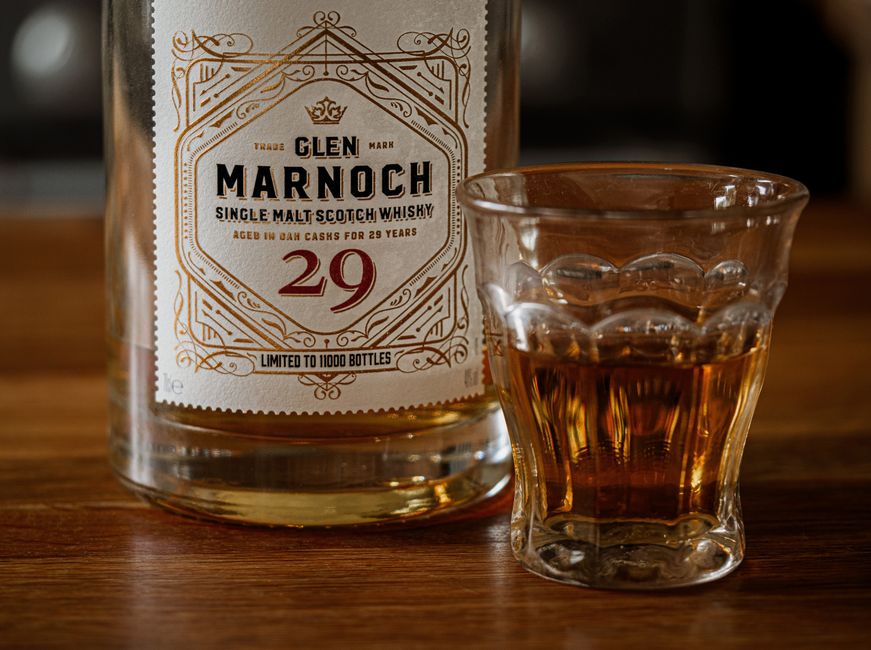
Water and ice in whiskey grew out of a few simple traditions that still shape it today. A little practice goes a long way. Let's look at what makes water and ice in whiskey work, and what you can skip.
Where it started
It helps to remember that adding water to whiskey is not a mistake. It is a common practice among distillers and blenders. A few drops of water can lower the proof just enough to lower the sharp burn and release aromas that were hidden. This is especially helpful with cask strength bottles, which can be 120 proof or more and feel intense on the nose.
How it changed
The best method is to add water slowly. Use a dropper or a spoon and add a little at a time, tasting between additions. Many many people settle on about a teaspoon to a measure of whiskey. Use cool, fresh water without strong taste. Water with a lot of chlorine or minerals can flatten the flavor of your pour. Modest adjustments are easy to make, and each one teaches you something about balance.
Always keep a good non-alcoholic option ready for guests.
What stayed the same
Ice does something different. It chills the spirit and dilutes it as it melts. Cold temperatures mute sweetness and aroma, so a very cold pour can taste tighter and more bitter. Some most of us like that crispness, especially in hot weather. Others prefer a room temperature pour so they can hear every detail in the flavor. Each attempt builds your skill, and soon the steps will feel natural and automatic.
Fresh citrus does more for a cocktail than an expensive bottle.
How it is made today
It helps to remember that if you do use ice, choose well. One large cube or sphere melts slowly and chills without watering down the drink too fast. Small cubes from a freezer tray melt quickly and can make the drink thin. Use filtered water to make ice, and keep it away from strong food smells in the freezer so it stays clean. Good habits at the start save money, time and a few disappointing drinks later on.
It helps to make one drink first before scaling a recipe up for a group.
Enjoying it now
Experiment with the same whiskey three ways: neat, with a few drops of water and over one large cube. Note how the aroma and taste change. There is no wrong answer, only your preference. Pour modestly, hydrate and remember that nobody should drive after drinking. The details are modest, but together they separate an average drink from a memorable one.
Practical tips
A few simple things tend to help:
- Use plenty of fresh, hard ice.
- Keep a non-alcoholic option ready for guests.
- Use fresh citrus, squeezed the same day.
- Measure with a jigger rather than free-pouring.
The bottom line
Keep it simple, taste as you go, and enjoy the process. None of this needs to be perfect. Good ice, fresh citrus and a careful measure go a long way.
Frequently asked questions
Can I make it ahead for guests?
Many stirred drinks can be batched and chilled in advance; add citrus drinks closer to serving.
How should I store open bottles?
Keep spirits upright, sealed and out of sunlight. Vermouth and other wine-based bottles belong in the fridge.
What tools do I really need?
A jigger, a shaker or mixing glass, a strainer and a bar spoon cover almost every recipe.
Is there a non-alcoholic version?
Often yes. Keep the same balance of sweet, sour and bitter, and use tea, juice or soda as the base.