 Still
Still Zero-Proof Drinks And Mocktails For Guests
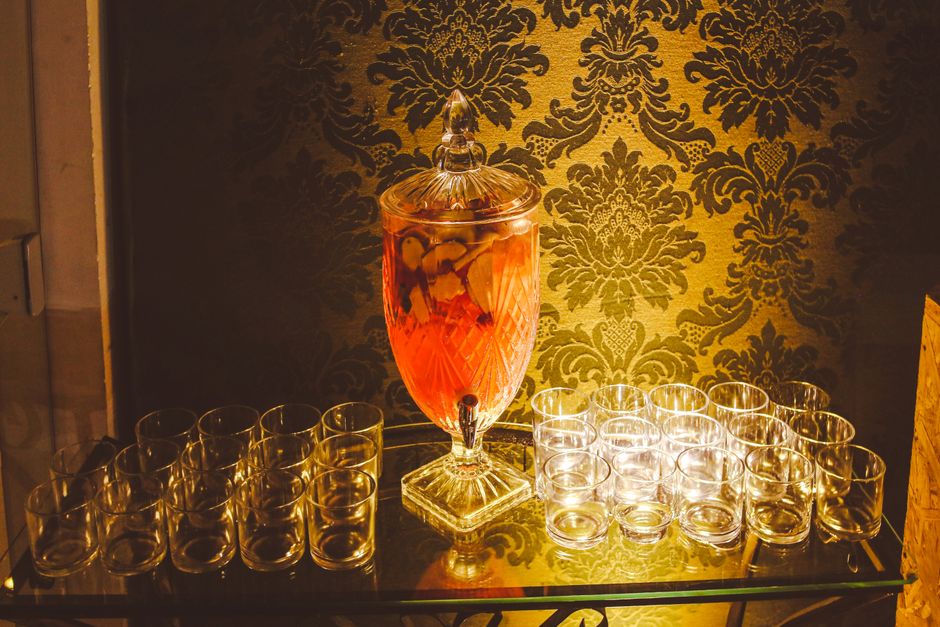
For a first go at zero-proof drinks, a few basic tools are all you need. None of it needs expensive bottles. Below, we walk through zero-proof drinks step by step.
Start here
Try a few reliable recipes. A rosemary and grapefruit spritz, a ginger and lime fizz, a cranberry and orange sparkler, and a cold black tea with lemon and mint all feel special without any alcohol. Use bitters labeled non-alcoholic or a dash of strong tea for depth. Garnish like you would any other drink, with peel, herbs or fruit.
Always keep a good non-alcoholic option ready for guests.
What you need
Put simply, there are also bottled zero-proof spirits designed to resemble gin, whiskey or aperitifs. Quality varies, so try one before you serve it to a crowd. Read the label, since some contain modest amounts of alcohol or ingredients that guests may want to avoid. Mixing them with good tonic or soda is commonly the simplest way to enjoy them.
Your first try
Serve mocktails in the same glassware as the other drinks, with ice and garnish, so they look just as inviting. List them on the drinks menu, not on a separate sheet at the bottom. When non-alcoholic choices are given equal care and equal visibility, every guest feels welcome and the party is safer for everyone.
It helps to make one drink first before scaling a recipe up for a group.
What to expect
It helps to remember that a good host offers drinks for everyone, and a good non-alcoholic option should feel like a real cocktail, not an afterthought. Guests may skip alcohol because they are driving, are under the legal drinking age, are pacing themselves or simply do not drink. Serving something attractive and well made lets them take part without any awkward questions.
The practical takeaway is to measure every pour, since small changes shift the balance.
Easy upgrades
Worth keeping in mind: build mocktails the same way you build cocktails: with balance. You still want something sweet, something sour, something bitter or aromatic, and some texture. Fresh citrus juice, a simple or honey syrup, sparkling water, cold tea, shrubs made from fruit and vinegar, and fresh herbs can all play those roles. Taste each drink before serving and adjust.
The practical takeaway is to measure every pour, since small changes shift the balance.
Practical tips
A few simple things tend to help:
- Keep a non-alcoholic option ready for guests.
- Store vermouth in the fridge once opened.
- Taste before you serve and adjust the balance.
- Never drink and drive; plan a ride home.
The bottom line
None of this needs to be perfect. The best drink is the one you will make again. Start with the classics and build from there.
Frequently asked questions
What tools do I really need?
A jigger, a shaker or mixing glass, a strainer and a bar spoon cover almost every recipe.
Can I make it ahead for guests?
Many stirred drinks can be batched and chilled in advance; add citrus drinks closer to serving.
Do I need expensive bottles?
No. For zero-proof drinks, a solid mid-range bottle and good technique beat a pricey bottle used carelessly.
How should I store open bottles?
Keep spirits upright, sealed and out of sunlight. Vermouth and other wine-based bottles belong in the fridge.