 Still
Still Clear Ice At Home: A Beginner's Guide
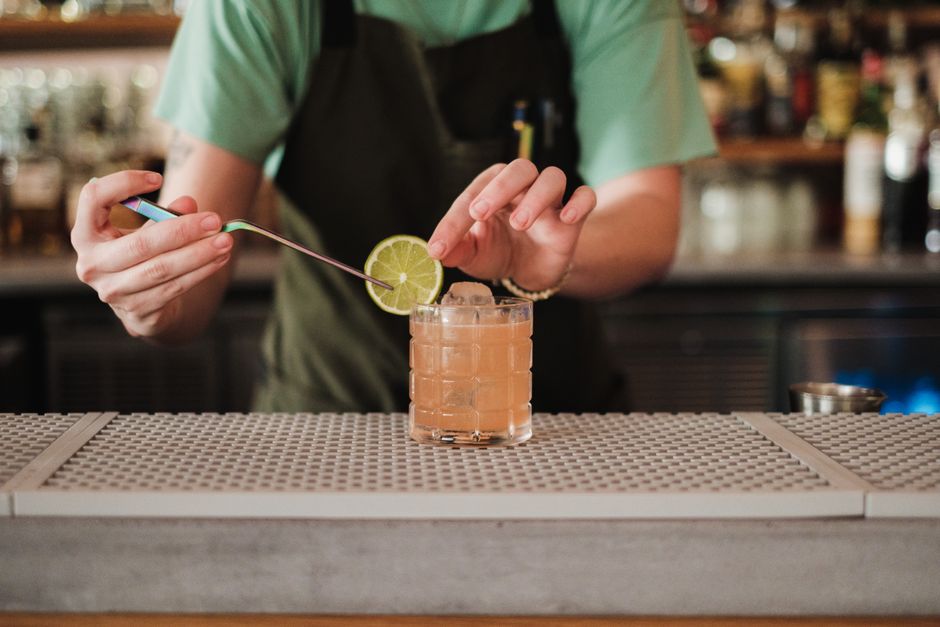
Good clear ice is less about pricey bottles and more about a few smart choices. A little practice goes a long way. Let's look at what makes clear ice work, and what you can skip.
Why it works
Put simply, ice is half of many cocktails, and the quality of it shows. Clear ice looks beautiful in a glass, but it also has a practical benefit: it is denser and has fewer trapped air bubbles and impurities, so it melts more slowly. That keeps a drink cold without diluting it too quickly, which is exactly what you want in an old fashioned or a neat pour on the rocks.
Small details like chilling the glass make a visible difference.
The basics
On a day-to-day level, cloudy ice appears because water freezes from the outside in, trapping air and dissolved minerals in the center. The solution is directional freezing, which makes water freeze from one direction only, pushing the impurities down and away. This is easy to do at home with a minor insulated cooler and no special equipment beyond a freezer.
Small details like chilling the glass make a visible difference.
What to pick first
It helps to remember that here is the method. Fill a modest hard-sided cooler with water and place it, uncovered and with the lid off, in the freezer. The insulated walls force freezing to start from the top, so the clear ice forms at the surface while the cloudy part collects at the bottom. After about eighteen to twenty-four hours, remove the block before it freezes completely solid.
Always keep a good non-alcoholic option ready for guests.
Step by step
Let the block sit on the counter for ten to fifteen minutes to temper, then carefully cut it with a serrated knife, tapping the back with a mallet or a rolling pin to split it along the lines. Wear gloves, work on a stable towel and cut slowly, since ice can slip. Trim the pieces into large cubes or spears that fit your glasses.
The goal is a drink you can repeat easily, not a perfect one-off.
Small tweaks that help
It helps to remember that store the finished cubes in a freezer bag or a sealed container, away from strong-smelling foods, so they do not pick up odors. Use filtered, cooled water for slightly better results. Even if your ice isn't perfect, large cubes still melt slower than small, hollow ones. A little patience goes a long way.
Small details like chilling the glass make a visible difference.
Practical tips
Some practical points to keep in mind:
- Chill your glasses before serving.
- Measure with a jigger rather than free-pouring.
- Taste before you serve and adjust the balance.
- Use plenty of fresh, hard ice.
The bottom line
Keep it simple, taste as you go, and enjoy the process. None of this needs to be perfect. Good ice, fresh citrus and a careful measure go a long way.
Frequently asked questions
How should I store open bottles?
Keep spirits upright, sealed and out of sunlight. Vermouth and other wine-based bottles belong in the fridge.
Do I need expensive bottles?
No. For clear ice, a solid mid-range bottle and good technique beat a pricey bottle used carelessly.
Can I make it ahead for guests?
Many stirred drinks can be batched and chilled in advance; add citrus drinks closer to serving.
What tools do I really need?
A jigger, a shaker or mixing glass, a strainer and a bar spoon cover almost every recipe.