 Still
Still Essential Bar Tools And How To Use Them
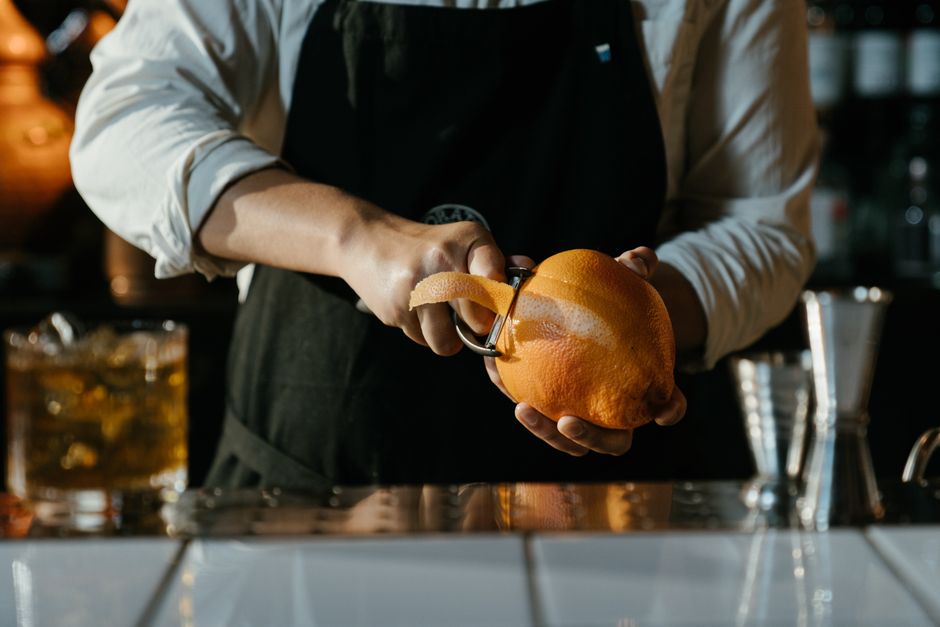
Bar tools is easier to get right once you know a few basics. A little practice goes a long way. Here is a practical look at bar tools for home bartenders.
Why it works
Wash tools soon after use, since sugar and citrus can leave sticky residue. Dry them to avoid water spots. Practice a few simple drinks to learn how each tool feels in your hand. Pour with care, serve in moderation and make sure your guests have a safe way home. Having a plan ahead of time makes the whole experience calmer and more enjoyable for everyone.
Fresh citrus does more for a cocktail than an expensive bottle.
The basics
More often than not, a short list of tools covers almost every cocktail. You need a shaker, a strainer, a jigger, a bar spoon and a juicer. A paring knife and a modest cutting board assist with garnishes. Everything else is a bonus. Buy simple, sturdy tools made of stainless steel, since they last for years and are easy to clean. Sharing the results with friends makes the effort feel worthwhile and gives you honest feedback.
What to pick first
It helps to remember that for shakers, there are two main types. The two-piece Boston shaker, with a metal tin and a glass or second tin, is reliable and easy to seal. The three-piece cobbler shaker has a built-in strainer and is easy to start with. Whichever you choose, fill it about two-thirds with ice, close it firmly and shake hard for around ten to fifteen seconds.
Step by step
In practice, a jigger is the key to consistent drinks. It measures spirits in ounces, often with a one ounce and two ounce side. Accurate measuring is what separates a balanced cocktail from a guess. A bar spoon has a long twisted handle and is used for stirring drinks like the Manhattan and the martini, which should look silky rather than cloudy.
It helps to make one drink first before scaling a recipe up for a group.
Small tweaks that help
More often than not, strainers keep ice and pulp out of your glass. A Hawthorne strainer, with its metal spring, fits over a shaker tin. A fine mesh strainer held under it catches tiny bits of ice or citrus pulp for a smoother result. For juice, a hand-held citrus press works better than a fork, and it gets more out of each fruit. There is no rush, and the goal is simply to find what tastes good to you.
Practical tips
Some practical points to keep in mind:
- Store vermouth in the fridge once opened.
- Never drink and drive; plan a ride home.
- Taste before you serve and adjust the balance.
- Use plenty of fresh, hard ice.
The bottom line
None of this needs to be perfect. Take it one drink at a time. Each one teaches you a little more about balance.
Frequently asked questions
Do I need expensive bottles?
No. For bar tools, a solid mid-range bottle and good technique beat a pricey bottle used carelessly.
How should I store open bottles?
Keep spirits upright, sealed and out of sunlight. Vermouth and other wine-based bottles belong in the fridge.
Can I make it ahead for guests?
Many stirred drinks can be batched and chilled in advance; add citrus drinks closer to serving.
What tools do I really need?
A jigger, a shaker or mixing glass, a strainer and a bar spoon cover almost every recipe.