 Still
Glassware Guide: Which Glass For Which Drink (Part 3)
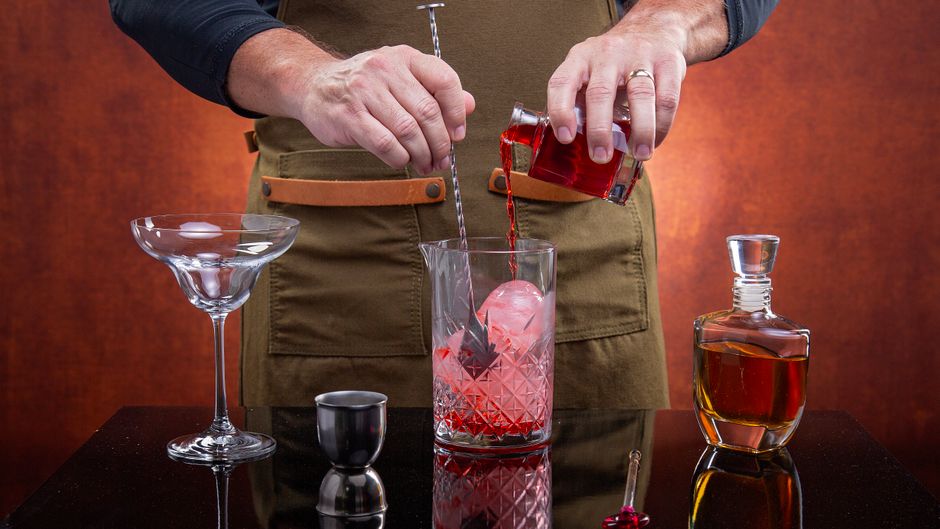
A few early choices keep the cost of cocktail glassware under control. Most of the work is measuring carefully. Below, we walk through cocktail glassware step by step.
Where the money goes
Buy glasses in sets of four or six, and favor straightforward, thin-rimmed designs that feel good in your hand. Wash by hand or on a gentle cycle to prevent chips. Pour responsibly, offer water and soft drinks and keep service for adults of legal drinking age. Keep notes as you go, so the next attempt starts from a better place.
Fresh citrus does more for a cocktail than an expensive bottle.
Bottles worth buying
The right glass makes a drink look and taste better, but you only need a few shapes. The rocks glass, also called an old fashioned glass, is a short, wide tumbler for spirits over ice and drinks like the old fashioned and the negroni. It is sturdy, versatile and perfect for a large ice cube. What works well in one kitchen may need a minor tweak in another, so stay flexible.
Always keep a good non-alcoholic option ready for guests.
Tools you can skip
Worth keeping in mind: the coupe and the martini glass are for drinks served up, which means chilled and without ice. A coupe has a rounded bowl and holds a drink well without spilling, so it suits the daiquiri, the Manhattan and the sidecar. The cone-shaped martini glass looks striking, but it can be easy to spill, so fill it with care. Curiosity is your best tool, and every new bottle or recipe is a chance to learn something.
The practical takeaway is to measure every pour, since small changes shift the balance.
Making your own
It helps to remember that tall glasses, such as the highball and the Collins, are for long drinks with soda, tonic or juice. A highball is slightly shorter and wider than a Collins. These glasses hold plenty of ice, which keeps the drink cold and sparkling longer. A gin and tonic, a Tom Collins and a whiskey highball all feel right in one. Start straightforward, change one thing at a time and let your own taste guide the next step.
Small costs that add up
In practice, chill glasses before serving drinks that are served up. Fill the glass with ice and water while you mix, then dump it just before you pour. A cold glass keeps the drink at the right temperature for longer. For hot drinks, warm the glass with hot water first. These small steps are cheap and effective. Take your time, because good drinks reward patience.
None of this needs to be exact to the drop; taste and adjust to your liking.
Practical tips
Here are a few easy places to start:
- Measure with a jigger rather than free-pouring.
- Store vermouth in the fridge once opened.
- Chill your glasses before serving.
- Use plenty of fresh, hard ice.
The bottom line
Keep it simple, taste as you go, and enjoy the process. Take it one drink at a time. Each one teaches you a little more about balance.
Frequently asked questions
How should I store open bottles?
Keep spirits upright, sealed and out of sunlight. Vermouth and other wine-based bottles belong in the fridge.
Is there a non-alcoholic version?
Often yes. Keep the same balance of sweet, sour and bitter, and use tea, juice or soda as the base.
Can I make it ahead for guests?
Many stirred drinks can be batched and chilled in advance; add citrus drinks closer to serving.
What tools do I really need?
A jigger, a shaker or mixing glass, a strainer and a bar spoon cover almost every recipe.