 Still
How Rum Is Made: From Sugarcane To Bottle (Part 4)
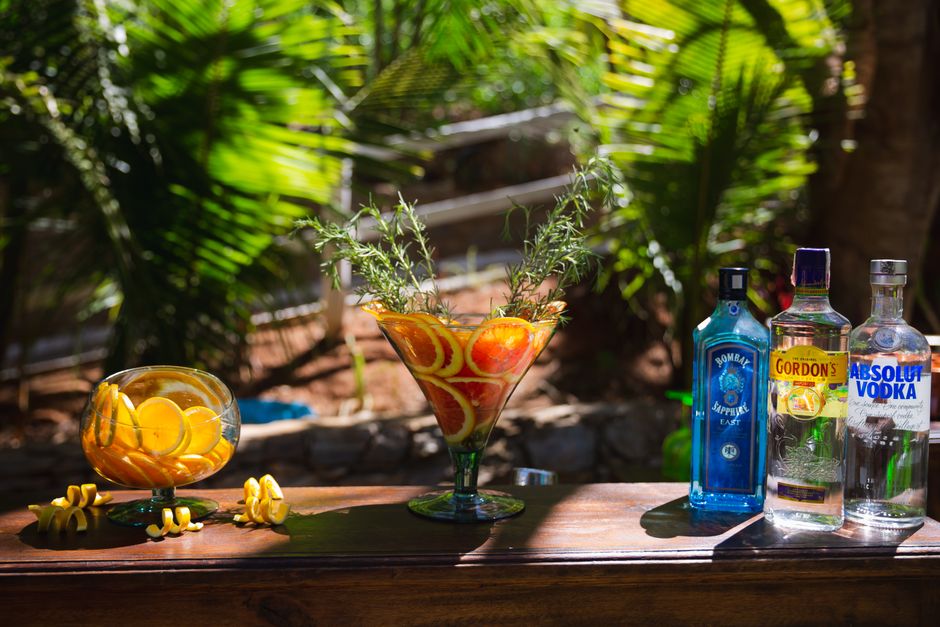
Rum is easier to get right once you know a few basics. A little practice goes a long way. Here is a practical look at rum for home bartenders.
Why it works
In practice, stills shape the spirit too. Column stills make a lighter rum, while pot stills keep more of the heavy, oily character. Many rums are blends of both, mixed to a house style. After distillation, rum may rest in used oak barrels, often ex-bourbon casks, which add color and soft vanilla notes. Some rums are bottled unaged, and others are filtered to be clear after aging.
If you remember one thing, let it be that good ice matters as much as the spirit.
The basics
Put simply, labels like white, gold and dark can confuse shoppers because there is no single worldwide standard. White rum is generally the choice for a daiquiri or a mojito. Gold and aged rums work well in an old fashioned style drink or sipped neat. Dark rums commonly have added caramel color and richer flavors, and they suit baking and punches. Compare impressions with a friend, since everyone notices something a little different.
None of this needs to be exact to the drop; taste and adjust to your liking.
What to pick first
On a day-to-day level, start with one bottle of good white rum and one aged rum, and your home bar covers most classic recipes. Taste each plain before you mix, so you know what you are working with. Drink with care, keep it to adults of legal age and never get behind the wheel afterward. Over time you will build a sense of what you enjoy and why.
Always keep a good non-alcoholic option ready for guests.
Step by step
Rum is distilled from sugarcane, either fresh cane juice or molasses, which is the thick syrup left after sugar is refined. The raw material is the first big decision. Molasses rums tend to taste rich and deep, with notes of brown sugar and toffee. Cane juice rums commonly taste grassy, bright and vegetal. Both styles are made in many countries, including parts of the United States.
It helps to make one drink first before scaling a recipe up for a group.
Small tweaks that help
The key point is that fermentation is where much of the personality is built. Short fermentations with clean yeast make light, crisp rums. Long fermentations with wild or hardy yeast build heavier flavors that most of us describe as tropical fruit, banana or funky. Some producers also add the leftover liquid from a previous distillation, called dunder or stillage, to deepen the flavor. A relaxed approach generally gives better results than chasing perfection.
Always keep a good non-alcoholic option ready for guests.
Practical tips
Some practical points to keep in mind:
- Store vermouth in the fridge once opened.
- Use plenty of fresh, hard ice.
- Chill your glasses before serving.
- Measure with a jigger rather than free-pouring.
The bottom line
The best drink is the one you will make again. Take it one drink at a time. Each one teaches you a little more about balance.
Frequently asked questions
How should I store open bottles?
Keep spirits upright, sealed and out of sunlight. Vermouth and other wine-based bottles belong in the fridge.
Do I need expensive bottles?
No. For rum, a solid mid-range bottle and good technique beat a pricey bottle used carelessly.
Is there a non-alcoholic version?
Often yes. Keep the same balance of sweet, sour and bitter, and use tea, juice or soda as the base.
What tools do I really need?
A jigger, a shaker or mixing glass, a strainer and a bar spoon cover almost every recipe.