 Still
Still How To Store Open Bottles
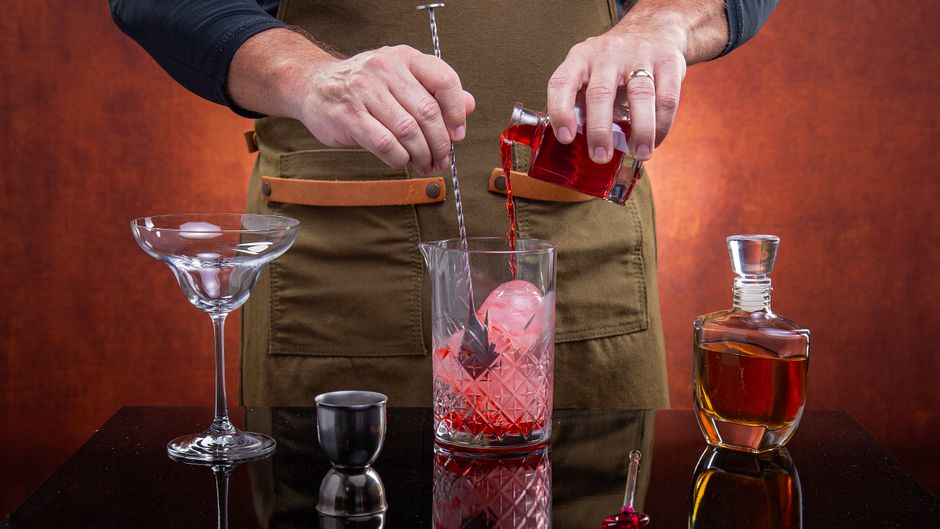
Storing open bottles has a longer history than most people expect. None of it needs expensive bottles. Let's look at what makes storing open bottles work, and what you can skip.
Where it started
Store bottles upright, not on their side. Spirits with high alcohol can slowly damage cork stoppers if they are in constant contact, causing them to crumble or taint the contents. Keep the cap or cork tight after each pour, and choose a cool, dark place such as a cabinet or a closet, away from the stove, a sunny window or a heating vent.
Always keep a good non-alcoholic option ready for guests.
How it changed
Oxygen is the main concern for bottles that are nearly empty. When a bottle is down to a quarter or less, the large air space can gradually dull the aroma over many months. If you are saving a special bottle, transfer the remaining spirit into a smaller, clean glass bottle with a tight seal, or use a little inert gas product designed for wine and spirits.
What stayed the same
On a day-to-day level, some products need different treatment. Vermouth, aperitif wines and sherries should be refrigerated after opening and finished within weeks. Cream liqueurs also belong in the refrigerator and should be used by the date on the label. Fruit liqueurs and bitters are stable in a cabinet but keep best when capped tightly and kept out of the sun.
Fresh citrus does more for a cocktail than an expensive bottle.
How it is made today
The key point is that keep a small note on the label with the opening date, especially for vermouth and liqueurs. Store alcohol where children cannot reach it, ideally in a cabinet that closes or locks. Check the bottle for cloudiness, odd smells or sediment before pouring, and when in doubt, taste a small amount before mixing it into a drink for guests.
Fresh citrus does more for a cocktail than an expensive bottle.
Enjoying it now
It helps to remember that most distilled spirits, such as whiskey, gin, rum, vodka and tequila, are very stable once opened. The high alcohol content protects them from spoiling, and a bottle can stay good for years if it is stored correctly. Still, air, light and heat slowly change the flavor, so a few habits support preserve what you paid for.
The practical takeaway is to measure every pour, since small changes shift the balance.
Practical tips
Some practical points to keep in mind:
- Measure with a jigger rather than free-pouring.
- Keep a non-alcoholic option ready for guests.
- Use fresh citrus, squeezed the same day.
- Taste before you serve and adjust the balance.
The bottom line
None of this needs to be perfect. Take it one drink at a time. Each one teaches you a little more about balance.
Frequently asked questions
Can I make it ahead for guests?
Many stirred drinks can be batched and chilled in advance; add citrus drinks closer to serving.
How should I store open bottles?
Keep spirits upright, sealed and out of sunlight. Vermouth and other wine-based bottles belong in the fridge.
What tools do I really need?
A jigger, a shaker or mixing glass, a strainer and a bar spoon cover almost every recipe.
Is there a non-alcoholic version?
Often yes. Keep the same balance of sweet, sour and bitter, and use tea, juice or soda as the base.